

I never worried much about my roof in winter. Columbia winters feel mild compared to up north. No heavy snow. No blizzards. Just cold snaps, rain, and the occasional ice. But that’s exactly why so many of us get surprised.
Last February, I got a call from my neighbor. Water was dripping from his ceiling after a cold night. He thought it was just a small leak. Turned out the ice dam on his roof had forced water under the shingles. By the time he noticed, the decking was already soft. That one cold snap cost him over four thousand dollars.
Winter roof damage in Columbia sneaks up on you. It doesn’t always look dramatic. But it adds up fast if you ignore the signs.
Snowstorms, ice accumulation, and sudden temperature swings can cause water to seep into the structure of the roof, minimizing its durability. That’s why timely roof inspection and protection are necessary, especially in winter.
Here’s what really happens in our area.
The temperature jumps around a lot. One day it’s fifty degrees and raining. The next morning it drops below freezing. That freeze-thaw cycle cracks mortar, loosens flashing, and stresses shingles. Water gets into tiny gaps during the rain, then freezes and expands. Small problems become bigger ones quickly.
Ice dams are more common than people think. Even without deep snow, heat from your attic can melt ice on the upper part of the roof. The water runs down and freezes again at the colder eaves. That ice backs up. It pushes under shingles. Then water leaks inside. I’ve seen this in West Columbia and Lexington homes more times than I can count.
Wind damage to roof shows up after strong fronts too. Gusts lift loose shingles or bend flashing around chimneys and vents. Once the seal breaks, every rain after that makes it worse. You might not see granules in the yard right away, but they start washing out.
Moisture is the silent killer here. Columbia humidity doesn’t disappear in winter. When combined with leaks or poor ventilation, it creates mold and rot that spreads fast. Attic insulation gets wet and loses its ability to keep heat in. Your energy bills climb even when you’re not using much heat.
Causes Behind Winter Roof Damage:
Rapid Temperature Swings:
The weather in the state of Columbia during winter is extremely unpredictable, and such sudden changes in temperatures can be quite harmful to the roofs. The repeated processes of freezing and thawing in winter may cause shingles roof and other roofing materials to be weakened, which will start to weaken the structure of the roof.
Ice Dams:
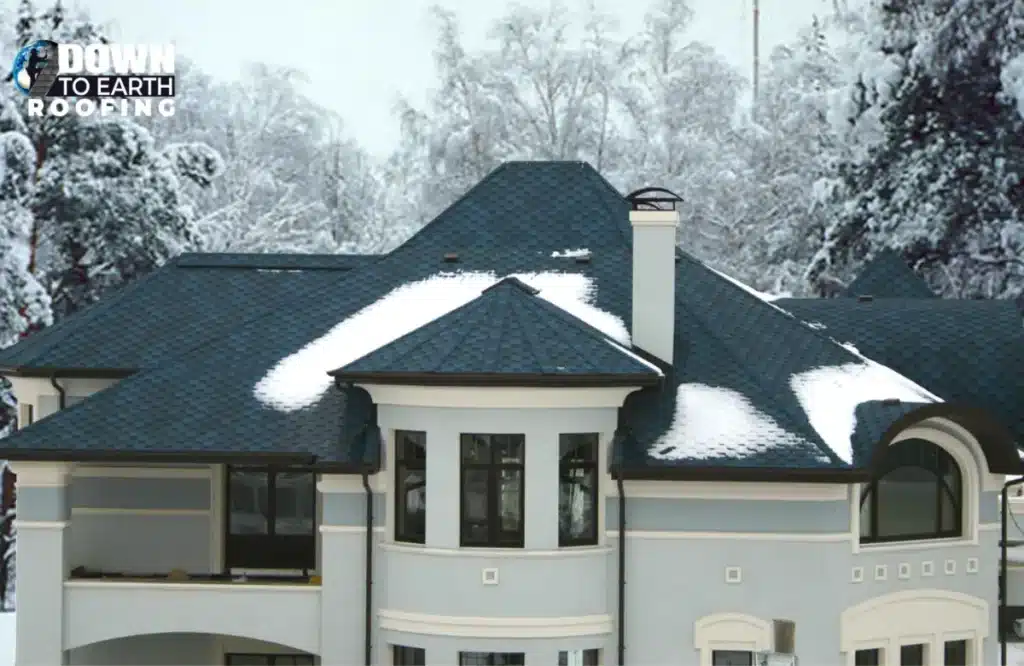
The other major impact of the winter weather in Columbia is the development of ice dams. Ice dams are formed when the snow that started melting refreezes along the roofside and prevents the water from draining away effectively. This may create leaks and massive damage to the roof shingles in winter. Structural damage due to ice dams is on the rise, especially in areas like Columbia, and is another reason for you to invest in quality winter roof protection.
Roof Leaks:
Roof leaks are usually associated with rainfall, which is a common misconception. Snow usually melts during the day, and the water seeps into tiny cracks that are present in the roof. The trapped water eventually expands and widens the already present cracks.
These tiny cracks, if left untreated, will cause mold growth and further compromise structural integrity.
Best Roof Damage Prevention Techniques
If you are waiting for cracks and mold to appear, chances are you are already too late. Roof damage prevention starts with proactive measures. You should never shy away from regular maintenance services. Routine roof maintenance services can identify minor issues, and you can nip them in the bud. Because if they are left untreated, expensive bills are waiting for you in the future.
Practical roof damage prevention methods may include, but are not limited to, insulation, ventilation, and patching small cracks that may appear. Proper insulation is helpful in maintaining a consistent attic temperature, which in turn reduces the risk of ice dam formation. Adequate ventilation also aids in preventing moisture and mold. Additionally, to fight against ice dam roof damage, roof heating cables or snow removal should be utilized.
By combining roof inspection services and preventive strategies, a significant risk of roof damage can be avoided.
Look for these signs after cold weather:
Soft spots when you walk on the roof (carefully)
Water stains on ceilings or walls that appear after a freeze
Missing or curled shingles, especially on the north side
Ice buildup along the edges of the roof
Granules piling up heavily in your gutters
Drafts or cold spots upstairs that feel worse than usual
By acting early and hiring the services of professional Columbia roofing contractors, you are guaranteed that your roof will be safe, functional, and well-covered during the winter seasons.
List of Professional Roofing Services:
Shielding your roof through tough winter weather means using expert help to stop problems.
Roof Inspection Services:
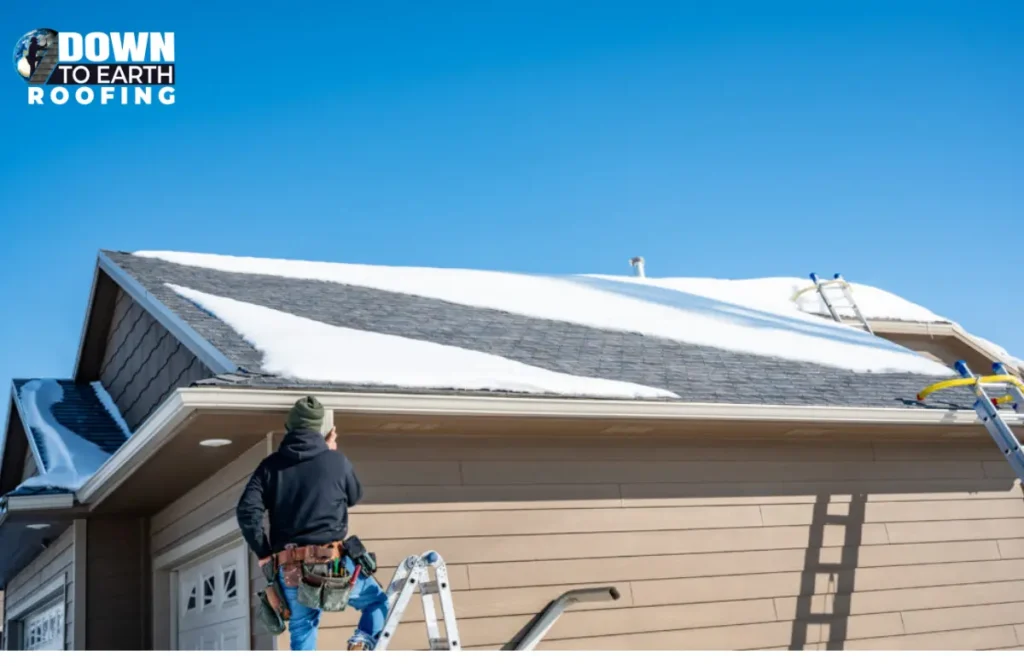
Routine roof checkups help stop winter harm before it starts. Experts look at shingles, flashings, drains, and insulation – spotting small issues like splits, leaks, or frost buildup. Fixes happen fast, so tiny flaws don’t turn into big bills.
Roof Maintenance Services:
Roof upkeep now and then boosts its ability to handle snow, icy patches, or sudden weather shifts. You’ll want to sweep off gunk, look over shingles that might be cracked or wobbly, empty the gutters, and also shore up weak spots. Spotting trouble early stops problems like stress from heat changes or water freezing and expanding.
Roof Leak Repair Services:
Rain sneaks in when the roof gets damaged by snow, freezing weather, or worn-out tiles. Tiny drips might cause mold, harm ceilings, or hurt beams over time. Fixing issues fast keeps homes and offices safe from serious problems later on.
Emergency Roofing Services:
Heavy storms might wreck your roof fast. When that happens, quick-response roof fixes step in right away to stop things from getting worse while keeping everyone safe inside. These repairs aren’t just for households; businesses can contact them too.
Residential Roofing Services:
Home roof fixes aim to shield houses from leaks and molds. That means replacing damaged shingles, boosting insulation, handling ice buildup, or doing check-ups now and then so roofs last longer. This keeps people inside warm and safe from leaks when storms hit.
Commercial Roofing Services:
Commercial roofs need special care, especially in offices or big storage spaces. Roof checks happen regularly, so small issues don’t grow worse. When leaks pop up, fixes come fast to avoid bigger damage later. Full re-roofing takes place when wear gets too extreme. These upgrades manage thick snow without collapsing. Ice piles won’t weaken the structure if the materials are strong. Temperature swings strain rooftops, but proper layers reduce harm. Workers make sure buildings stay open even during harsh cold snaps.
Roof Replacement Services:
Once fixes aren’t enough anymore, swapping out the whole roof gives a solid fix that lasts. Getting fresh shingles or different materials boosts how well heat stays in, air flows, and also helps handle winter wear better.
Winter Roofing Services:
Winter roof care focuses on stopping harm from snow, cold, and shifting temperatures. It handles ice dams, sudden temperature changes, also clears snow to ease pressure on shingles.
Storm Damage Roofing Services:
When big storms hit, roof experts check for harm from strong winds, ice chunks, or deep snow buildup. Then they fix what’s broken so the roof stays solid during cold months. Their work keeps rain and melting snow from sneaking inside walls or ceilings. This way, the top of your home handles next season’s rough conditions better.
Conclusion:
Stopping roof damage from winter begins way before snow shows up. Getting your roof checked early helps spot weak spots, and fixing them ahead of sudden cold snaps matters a lot.
Fixing your roof quickly helps protect your home’s worth. It stops leaks, stops shingle wear, and prevents big and expensive fixes later. A small step now means fewer problems down the road.
Homeowners should set up yearly check-ups, use cold-weather roof safeguards, and also hire local Columbia roof experts for upkeep or fixes. Taking action now shields your house from sneaky winter damage, so you stay calm, knowing your roof is solid and built to last.
Hold off on waiting for bad weather to show weak spots. Get in touch with DowntoEarth Roofing now – set up an appointment, shield your roof, while keeping your place secure through the cold months ahead.
FAQs:
How Long Does a Roof Last in Columbia?
In Columbia, asphalt shingle roofs usually make it 20 to 25 years. Metal, tile, or slate ones tend to last longer, yet still take damage over time, so fixes or even swaps might be needed.
Is it possible to fix a roof during cold months?
Yeah, fixing a roof during winter works, though heavy frost or falling snow might slow things down. Cold snaps complicate the job, making materials harder to handle. Still, with careful planning, it’s doable even when temperatures drop low.
Will home insurance pay for harm caused by snow?
Yep, plenty of typical home insurance plans pay for roof damage from snow. Also, things like ice dams or when too much snow piles up. They usually help fix leaks, damaged shingles, and even frame troubles.