

Nobody thinks about roof inspections. Seriously—when’s the last time you looked at your ceiling and thought “man, I hope someone’s checked the shingles lately”? Never. That’s normal. We don’t think about roofs because they’re designed to be invisible, to just work while we worry about literally everything else. But here’s the thing: your roof is taking abuse every single day. Columbia sun beating down for months straight. Humidity that never quits, that clings to everything and finds every tiny gap. Sudden hailstorms that appear out of clear skies. Wind that comes out of nowhere and rips branches off trees like they’re toothpicks.
And unlike your car, there’s no dashboard light that tells you something’s wrong. No convenient “check engine” for your attic. You just find out the hard way, usually at 2 AM during a thunderstorm, or when you notice that spot on the ceiling that wasn’t there last week.
I learned this the expensive way a few years back. Small stain on the ceiling, maybe the size of a coffee cup. Ignored it for months because “it’s not dripping, it’s fine.” Classic mistake. By the time I finally called someone, I had rot in three rafters, insulation that was basically compost, and mold that required actual guys in hazmat suits to remove. The inspector who finally came out—great guy, been doing this twenty years—said “yeah, this started about two years ago, probably from that hailstorm in March. You remember that one?” I did remember. I remembered standing on my porch watching it, thinking “wow, that’s intense,” then going back inside to watch TV. Never thought to check the roof. Never occurred to me.
The inspector said I could’ve caught it for a few hundred bucks if I’d called someone back then. Instead? Let’s just say I didn’t take that vacation I’d been planning. And my wife still brings it up at dinner parties.
So if you’re finally getting a roof inspection in 2025—maybe buying a house, maybe your insurance is demanding it, maybe you just grew up and realized adulting includes this stuff—here’s what actually happens. No corporate speak, no technical manual language, just the real walkthrough from someone who’s been through it and talked to way too many roofers about their jobs.
Booking It Is Easier Than It Used to Be (But Still Requires Thought)
Most places let you schedule online now, which honestly feels weird for a service that involves someone climbing on your house. Pick a time, get a confirmation text, maybe even see a photo of who’s coming. That last part? Actually nice. I like knowing if I’m letting a 22-year-old kid with two years experience or a 60-year-old guy who’s seen every roofing disaster imaginable onto my property. Both can be great, just different energy. The kid might spot something new, use the latest tech. The veteran might recognize a problem from 200 feet away that others would miss.
When they ask “when was your roof last inspected?” and you have to admit “uh… never?”—don’t feel bad. Half their clients say that. The other half lie and say “a couple years ago” when they mean “I think my dad looked at it once in 2019.” The inspectors don’t care. They’ve heard everything.
But do be ready for follow-ups. Leaks you’ve noticed, even tiny ones? Recent storms that hit your area weirdly hard? Spots on the ceiling that seem to come and go? Weird smells in certain rooms? They’re not being nosy; they’re figuring out where to focus first. A good inspector treats your roof like a crime scene, and you’re the witness who knows what happened when.
The Ground-Level Once-Over (Where Experience Shows)
Before anyone climbs anything, they walk your property. Looking up, checking soffits, spotting missing shingles from the ground, noting if your gutters look like they’ve been through a war. This takes maybe ten minutes but tells them a lot. I’ve watched inspectors spot sagging from the driveway that I never noticed living there four years. “See how that section dips slightly? Water’s been pooling there. Probably a clogged drain or damaged decking.” From fifty feet away. That’s not technology, that’s just having looked at ten thousand roofs and knowing what “wrong” looks like.
They’ll also ask about interior stuff. Water stains you’ve maybe painted over? Musty smells that seem stronger in certain seasons? Spikes in your electric bill that don’t match rate increases? (Yeah, roof problems can mess with your HVAC efficiency—poor ventilation makes your attic a sauna, your AC works overtime, you pay for it. Who knew?)
This is also where they decide how to approach your specific roof. Steep pitch means different safety gear. Complex architecture with multiple peaks and valleys means more time, more potential problem spots. Flat sections on commercial buildings mean checking drainage completely differently. There’s no generic “roof inspection” really—every property dictates its own process.
Actually Getting On the Roof (The Part That Makes Homeowners Nervous)
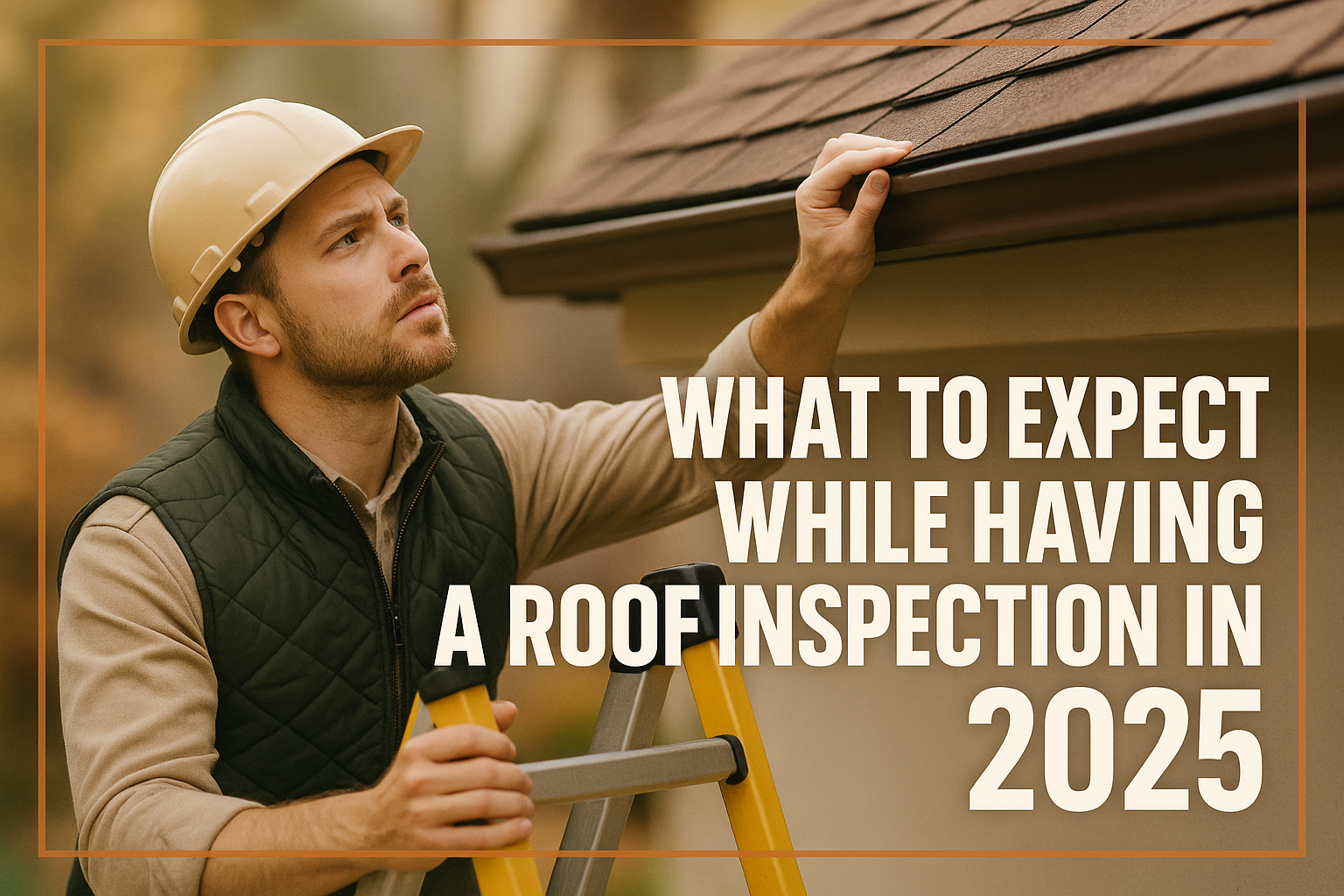
Here’s where it gets real. They climb up—usually with a ladder, sometimes with more elaborate setups for steep or high roofs—and start poking around. And I mean poking. Good inspectors touch things, lift shingle edges gently, press on suspicious spots. They’re not just looking; they’re feeling for soft spots, checking attachment, verifying what they’re seeing.
Shingle condition is obvious stuff—cracks, curling edges, bald spots where granules have worn off completely. But they’re also checking things homeowners never think about. Flashing, for instance. That’s the metal stuff around chimneys, vents, skylights, where your roof meets walls. It’s where leaks actually start, usually. Not the middle of your roof where shingles look pretty and uniform, but the edges and joints where water concentrates, where different materials meet, where expansion and contraction create tiny gaps over time.
I had an inspector explain it like this: “Your field shingles are like the highway—designed to handle traffic. Your flashing is like the on-ramps and exits—that’s where accidents happen.” Made sense. I’ve been watching those “on-ramps” ever since.
Gutters matter too, and not just “are they clogged with leaves.” Are they pitched right so water actually flows? Are the downspouts positioned to move water away from your foundation? Are the fascia boards behind them rotting because water’s been backing up? Because here’s the cascade: clogged gutter → water overflow → rotted fascia → gap between roof and gutter → water into soffit → damage you can’t see until it’s expensive. Inspectors trace these chains backward from visible symptoms to hidden causes.
For commercial roofs, the process differs obviously—flatter surfaces, more membrane materials, checking drains and HVAC unit penetrations, looking for “ponding” where water sits because drainage failed. But the mindset is identical: find where water wants to go, make sure it’s going there safely, identify where the system is failing.
The Attic Visit (Where the Real Secrets Hide)
This part freaks some people out, I get it. Stranger in your attic, poking around with a flashlight, maybe taking photos. But this is where the truth lives. Exterior examination can miss things that attic inspection catches immediately. Water stains on rafters that indicate active or past leaks. Insulation that’s compressed, displaced, or moldy. Daylight showing through tiny holes you can’t see from outside because they’re hidden by shingle overlap.
Columbia humidity makes this step absolutely critical. I’ve seen attics that looked fine from the street—decent shingles, no obvious damage—but inside? Mold city. Because our air holds so much moisture naturally, and if your ventilation is even slightly screwed up—blocked soffit vents, insufficient ridge venting, bathroom fans venting into attic space instead of outside—that moisture condenses on cooler surfaces and starts destroying everything. Wood rot, mold colonies, degraded insulation that stops working, metal fasteners that rust prematurely. It’s a slow-motion disaster that you don’t notice until it’s advanced because who spends time in their attic?
Good inspectors spend real time up there. Bad ones peek through the hatch, shine a flashlight around for thirty seconds, and call it done. You’ll know which you got based on how many photos they show you later, how specific their descriptions are, whether they can answer “where exactly is this?” questions about their findings.
The Tech Stuff (Nice to Have, Not Required)
Drones are becoming normal for steep or complex roofs that would be dangerous or impossible to walk safely. Infrared cameras find moisture you can’t see by detecting temperature differences—wet materials show different thermal signatures. Moisture meters quantify exactly how saturated materials are, distinguishing surface dampness from “this needs replacement” saturation.
Some companies lean hard into the tech marketing, and it’s cool stuff. But honestly? A good eye and twenty years experience beats a bad drone operator every time. I’ve had inspectors find problems with basic tools that other companies missed with $10,000 equipment. Tech helps, speeds things up, makes documentation easier. But it’s not magic. Don’t pick an inspector solely because they have a drone.
The Report (Where They Tell You What You Actually Paid For)
24-48 hours later, you get documentation. Should include photos—lots of photos—with annotations explaining what you’re looking at. Descriptions of findings prioritized by urgency: “fix now,” “plan for next year,” “monitor during routine maintenance.” Recommendations with cost ranges, though exact quotes usually require separate visits depending on complexity.
Key thing most people miss: ask questions if you don’t understand something. I’ve had inspectors explain that “your shingles have 5 years left” means completely different things depending on whether I’m staying in the house forever or selling next spring. Context matters. Five years might mean “start budgeting” or it might mean “don’t worry about it.” Same words, different situations.
Also, good reports distinguish between “this is damaged” and “this is aging normally.” Not every worn shingle needs replacement. Not every discoloration is active damage. Experienced inspectors know the difference and explain it.
Insurance and the Paperwork Game (Where Documentation Saves Money)
If you’re dealing with storm damage, your inspection documentation becomes evidence for claims. This is where professional assessment pays for itself immediately. Photos with dates, specific damage descriptions tied to specific weather events, proof that problems weren’t “pre-existing wear” that insurance loves to claim.
I’ve watched neighbors struggle with denied claims because they had no documentation, no third-party assessment, just “my roof leaks after that storm” and adjusters shrugging. Meanwhile, the neighbor who paid $300 for an inspection got full replacement covered because the inspector’s report clearly established causation, documented extent, and provided the evidence standard carriers require.
The game is rigged toward documentation. Play it.
Follow-Up and Maintenance Planning (The Part Everyone Skips)
Quality inspectors don’t disappear after delivering reports. They offer roof maintenance services, scheduled re-inspections, repair prioritization that fits actual budgets. Because here’s the truth: most roofs don’t fail catastrophically. They fail gradually, through ignored small problems that compound. Annual inspections catch these early, extend lifespan significantly, and maintain warranty compliance that manufacturers require (and will deny claims for if you can’t prove maintenance).
The Bottom Line
Roof inspections aren’t exciting. They’re not sexy home improvements you brag about at neighborhood cookouts. Nobody posts Instagram stories about their “amazing attic examination.” But they’re the difference between managing costs predictably and getting financially destroyed by surprises.
In Columbia’s climate specifically? Non-negotiable. Our weather accelerates everything—small leaks become big leaks fast, humidity turns minor issues into mold nightmares, temperature swings stress materials more than stable climates. The “optional” maintenance that might work in Arizona becomes essential here.
Get it done annually if your roof’s getting older. After any major storm for sure—hail, high winds, ice events. And find someone local who knows what Midlands weather actually does to houses, not just someone reading from a generic checklist they learned in a certification class.
When you need that kind of local knowledge without the sales pressure or runaround, Down to Earth Roofing LLC handles Columbia and Lexington inspections with straight talk and thorough work. They’ll show you what they found, explain what it means in plain English, and not try to sell you a full replacement when a repair and maintenance plan makes more sense. Just honest assessment from people who’ve seen what our weather does to roofs and know how to protect against it.
FAQs
1. How much is a roof inspection in 2025?
It varies by roof size and type but typically ranges from $150 to $400 for standard homes and $500+ for commercial buildings.
2. How often should I get my roof inspected?
At least once a year, or after major storms, to prevent small issues from turning into costly repairs.
3. What does a roof inspection include?
It includes checking shingles, flashing, gutters, attic, ventilation, and structural integrity everything from top to bottom.
4. Can roof inspections detect leaks before they start?
Yes, tools like infrared scanners help detect hidden moisture that signals early leak formation.
5. Are commercial roof inspections different from residential ones?
Yes. Commercial inspections focus on flat roofs, drainage systems, and membranes, while residential ones cover shingles, vents, and attic spaces.