

Nobody thinks about their attic. It’s just… up there. Hot, dusty, full of Christmas decorations you swear you’ll organize someday. But here’s the thing—your attic is basically the lungs of your entire roof system. When it can’t breathe, everything suffers. And I mean everything. Your shingles, your energy bills, your upstairs bedrooms that feel like a sauna every July.
I learned this the hard way. Three summers of wondering why my air conditioner ran constantly but the second floor never cooled down. Three summers of electric bills that made me wince. Then one day I’m in the attic storing something and notice—really notice—how brutally hot it was up there. Like, open-an-oven-door hot. That was my first clue that poor attic ventilation was destroying my roof from the inside out.
Why This Matters More in Columbia
Columbia’s climate is basically designed to torture attics. Summer hits ninety-five degrees with humidity that feels like a physical weight. Without proper airflow, attic temperatures reach one hundred forty, sometimes one hundred fifty degrees. That heat doesn’t stay up there—it radiates down through your ceiling, forces your AC to run overtime, and literally cooks your shingles from underneath.
Winter’s no picnic either. Those freeze-thaw cycles, the occasional ice storm, the humidity that never really leaves. South Carolina weather gives attics no break. Midlands homeowners deal with thermal stress year-round that milder climates just don’t experience.
Why Attic Ventilation Matters for Your Roof
Ventilation of the attic is important to ensure your place of stay is energy efficient and your roof is in good condition. With a properly ventilated attic, the air has room to move about in it- forcing out the heat and dampness and bringing in cooler drier air.
When such airflow cannot pass, heat is trapped during the summer season and moisture is trapped during winter. Both cases may leave you with big problems in roofing, including bent shingles, mold, and rot in your roofing. The bottom line is, then, that to make your roof long-lasting, you should care about the way your attic breathes.
What Causes Poor Attic Ventilation
A combination of minor factors that accumulate over time usually leads to poor attic ventilation. The common causes are some of them and include:
- Blocked vents – blocked air vents by dust, debris or insulation.
- Improper roof design – Not all roofs have enough attic vents or of the appropriate kind.
- Aging or damaged vents – The vents might rust, distort, and become ineffective.
- Incorrect installation – Soffit or ridge vents that have been improperly installed may restrict the airflow.
- No ventilation system at all – There are just some old houses that were not designed with sufficient ventilation.
When any of these issues arise, then your attic ceases the circulate air, and then, this is when the real trouble starts.
Understanding the Signs of Poor Attic Ventilation
Early identification of poor attic ventilation will save thousands of dollars of roof repairs. This is a closer examination of the red flags that all house owners need to be wary of in 2025.
The Signs You Can’t Ignore Anymore
Your upstairs is unbearable. Walk up there on a Columbia August afternoon. If it feels ten to fifteen degrees hotter than downstairs, that’s not normal—that’s a ventilation failure. Proper airflow brings cooler outside air in through soffit vents, pushes hot air out through ridge or gable vents. Without this exchange, heat just… sits there. Baking everything.
I blamed my HVAC system for two years. Replaced the filter, had it serviced, even considered upgrading the whole unit. Never occurred to me the problem was above the ceiling, not inside the ductwork.
Your shingles are dying young. Asphalt shingles should last twenty-plus years in South Carolina. When poor attic ventilation traps heat, they age from the inside out. You’ll see curling edges—literally curling upward from heat exposure. Blistering on the surface. Uneven fading where some areas degrade faster. Cracking from thermal expansion doing its damage.
My roof looked fine from the street. Up close? Cooked. The manufacturer warranty was voided because installation didn’t meet ventilation requirements—fine print I never bothered reading until it was too late.
That smell.Columbia humidity plus trapped moisture equals mold paradise. Poor ventilation creates condensation on roof sheathing, wet insulation, eventually visible mold on rafters or ceiling drywall. The smell hits first—musty, damp, unmistakable. You know that smell. The one that makes you think “something’s not right” even if you can’t see anything yet.
Mold isn’t just cosmetic. It destroys structural materials, creates health issues, spreads fast. I found black spots on my attic insulation and realized the problem had been building for years. Remediation cost way more than fixing the ventilation would have.
Ice dams. Yes, in South Carolina. Rare winter storms, sudden cold snaps—when attic heat melts roof snow, water runs to cold edges and refreezes. This ice backs up under shingles, creates leaks, damages gutters. Classic sign of heat escaping through poor ventilation and insulation. Midlands homeowners think ice isn’t their problem until suddenly it is.
Energy bills that make you gasp. Summer cooling costs in Columbia are brutal enough without attic heat adding load. When your upstairs traps heat, your HVAC runs overtime. Winter heating costs climb too—moisture in insulation reduces effectiveness, makes your furnace work harder. I tracked my bills year-over-year. Same usage, same thermostat, costs up thirty percent. The attic was the culprit.
What Pros Find When They Actually Look
Professional roofers in their inspection includes attic evaluation. They find what homeowners miss:
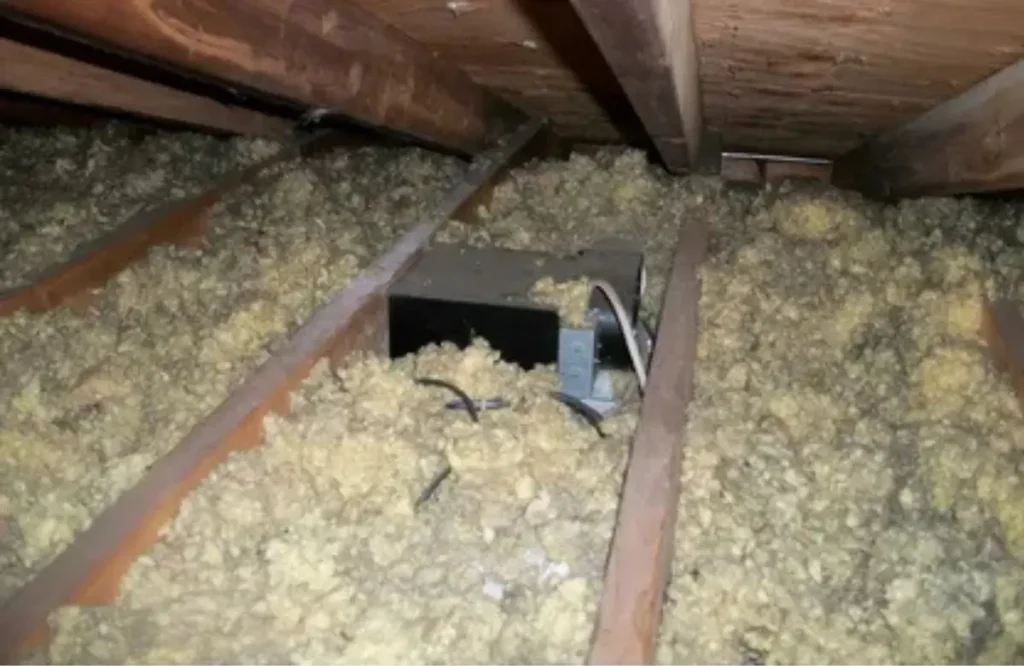
- Rusted nails or metal fixtures—moisture damage indicators
- Wet or compressed insulation—lost R-value, moisture trap
- Water stains on rafters—active or past leaks
- Condensation on roof deck—poor airflow signature
- Warped or rotting wood—long-term moisture damage
These signs tell the story your ceiling hasn’t started showing yet. Catching them early prevents the major repairs that follow years of neglect.
Interior damage spreading. Trapped attic air migrates downward through ceiling penetrations, light fixtures, attic access. Peeling paint on upstairs walls. Bubbling plaster. Warped wood trim around windows. Staining that looks like roof leaks but traces to condensation. I had all of these. Blamed bad paint, blamed humidity, blamed everything except the actual source.
Why Ventilation Fails in Columbia Homes
Common causes I see around the Midlands:
- Blocked soffit vents—insulation, debris, or paint covering intake
- Inadequate exhaust vents—not enough ridge or gable venting for roof size
- Imbalanced systems—plenty of exhaust but no intake, or opposite
- Aging components—rusted, damaged, obsolete materials
- Poor original design—older South Carolina homes built without understanding ventilation needs
My house had soffit vents that were physically present but functionally useless—covered from inside by insulation, blocked from outside by overgrown shrubs. Ridge vent was there but undersized. Classic Columbia scenario: looks right, works wrong.
Fixing It (And Keeping It Fixed)
Solutions depend on your specific Columbia roof:
Improve insulation—proper R-value without blocking airflow
Clear and restore soffit vents—ensure intake airflow
Add or upgrade ridge vents—improve exhaust capacity
Install gable vents—alternative exhaust for some designs
Powered ventilation—for complex roofs or severe problems
Conclusion
Ventilation of your attic may damage your roof without making a sound. However, the good thing is that you can notice the signs at the initial stages of development, when the damage is not severe. High power charges and mold on twisted shingles, it’s all been the way your home is giving you the request for good air circulation.
When your attic can’t breathe, everything suffers. Fix the ventilation, protect your roof, lower your costs, actually sleep comfortably upstairs during South Carolina summers.
If you’re seeing these signs in your Columbia or Lexington home, Down to Earth Roofing LLC provides thorough roof inspection including proper attic ventilation assessment. They find real problems, not just symptoms, and fix them so your roof lasts..
FAQs
How do I know whether my attic is poorly ventilated?
Check upper stories which are hot, mouldy, faded paint, or shingles that are bent upwards; all are indicators of poor air circulation.
Is ventilation of an attic necessary?
All the attics must be ventilated to prevent moisture and heat.
How can you properly ventilate an attic?
The best type of soffit (intake) and ridge (exhaust) venting is a balanced type.
Is it possible to have ventilation in an existing attic?
Yes, a roofing expert can add new vents or fans in order to enrich the flow of air.
How do you vent a metal roof?
Install gable vents or ridge vents or vents in roofing that are made of metal.