

You know what you never think about? Your chimney. I sure didn’t. Three years of owning my house, using the fireplace every winter, never once considered that brick tube sticking out of my roof. It worked. Smoke went up. That was enough information for me. Turns out that’s not enough information at all.
How often should you have your chimney inspected is one of those questions with an official answer and a real answer. Officially? Once a year. The National Fire Protection Association says it. Insurance companies hint at it in documents nobody reads. Chimney sweeps definitely say it. The real answer is more like “whenever something makes you nervous enough to call someone roofing professional.” Which for most people is never, until it’s too late.
Why Bother At All
Here’s what I learned after my wake-up call. Chimneys look solid but they’re basically weather collectors. Rain hits them. Snow sits on them. Heat expands them, cold contracts them, repeat for decades. Inside, creosote buildup happens every time you burn wood—this tarry, flammable stuff coating your flue. Outside, mortar cracks, bricks spall, crowns deteriorate. Animals nest in them. Water finds paths through tiny gaps and makes them bigger.
Columbia’s climate is especially rude to chimneys. Our humidity keeps everything damp. Freeze-thaw cycles in winter crack masonry wide open. Summer storms throw branches and hail. I’ve seen chimneys that looked fine from the yard leaning dangerously after ice events. The damage was invisible until it wasn’t.
A proper chimney inspection finds this stuff before your house catches fire or fills with carbon monoxide. Which brings me to my story.
My Personal Disaster (Almost)
Two Novembers ago, my wife mentioned a weird smell. Not smoke exactly. Chemical. Slightly sweet. I smelled nothing, because apparently I have the nose of a concrete block. She insisted. I called a chimney guy mostly to prove her wrong.
He found a cracked clay liner. Not a little crack—a serious crack, venting combustion gases into the wall cavity between chimney and bedroom. Carbon monoxide was dissipating into the structure rather than accumulating enough to trigger detectors. We’d been sleeping next to this for who knows how long. The creosote smell she noticed was leaking through the crack, which is the only reason we found it.
Eight hundred dollars to reline. Plus the week I couldn’t sleep, thinking about what we’d been breathing. Annual inspections would’ve cost maybe four hundred total for the three years I ignored it. False economy doesn’t begin to cover it.
What “Annual” Actually Means
The standard recommendation is yearly inspection. But that’s a baseline, not a universal truth. Burn a couple fires per winter? Once a year is probably fine. Burn daily, go through multiple cords of wood, keep that thing roaring for months? You’re looking at twice yearly minimum. Creosote buildup accelerates with use—it doesn’t accumulate linearly but exponentially. Heavy use creates heavy deposits, and heavy deposits create chimney fires.
Had an actual fire in your flue? Even small, even brief? Get inspected immediately. Heat shatters clay liners, warps metal ones, compromises structure you can’t see. My neighbor had what he called a “minor” chimney fire—sounded like a train, lasted thirty seconds. Seemed fine. Six months later an inspector found his liner was basically powder. He’d been using it that whole time.
Buying or selling? Inspection mandatory. Rental property? Local codes might require more frequent checks, and your lease should probably mention it. Changing appliances—new furnace, fireplace insert, stove? Different equipment vents differently, creates different heat patterns, different moisture. High-efficiency furnaces especially need checking because they produce condensation that corrodes flues designed for older equipment.
After major weather events? Book it. Wind, lightning, hail, falling branches—all loosen bricks, crack crowns, create damage you won’t notice from the ground until it’s serious.
What They Actually Do Up There
I always pictured chimney inspection as some guy standing in the driveway looking up and saying “yep, that’s a chimney.” It’s far more involved.
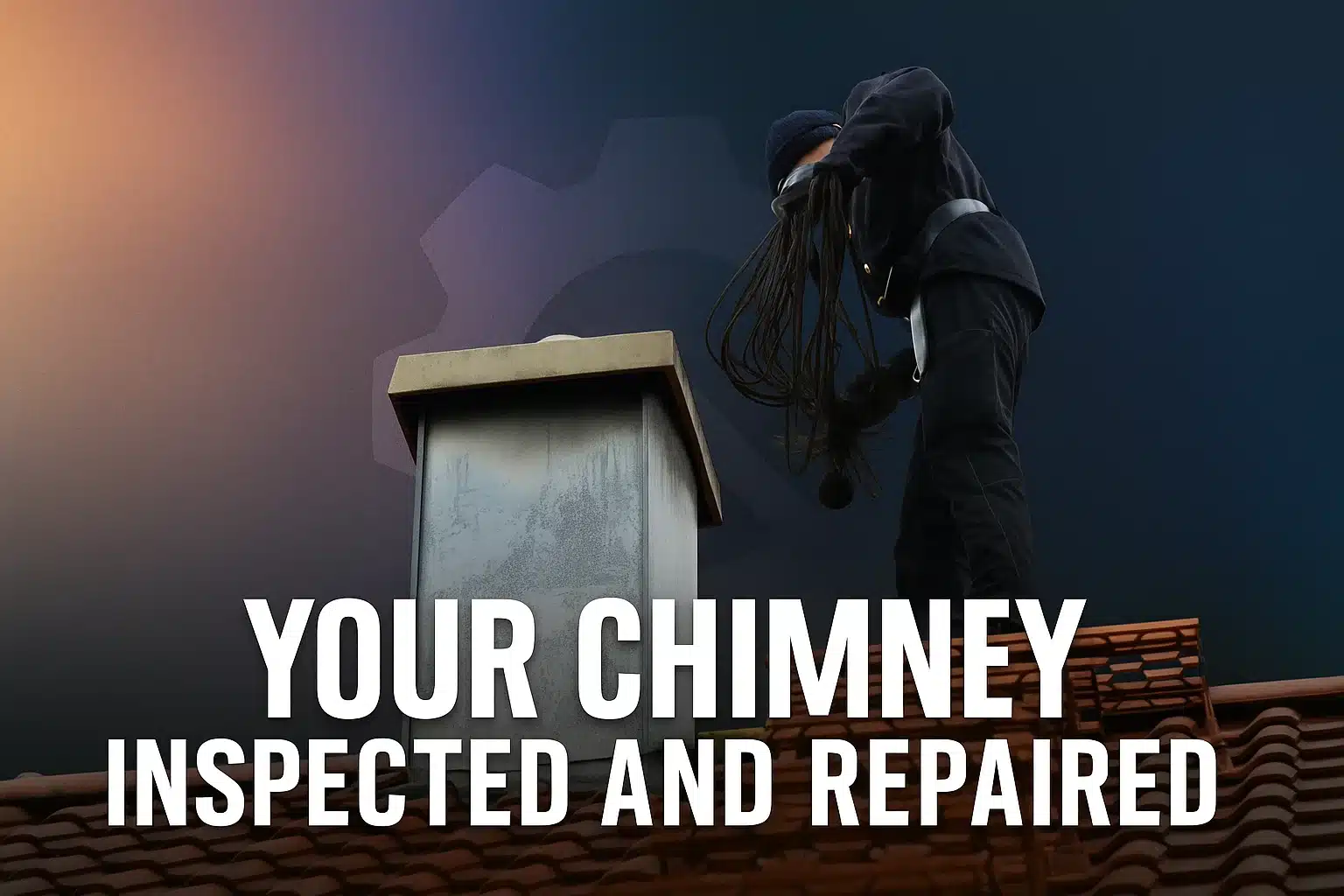
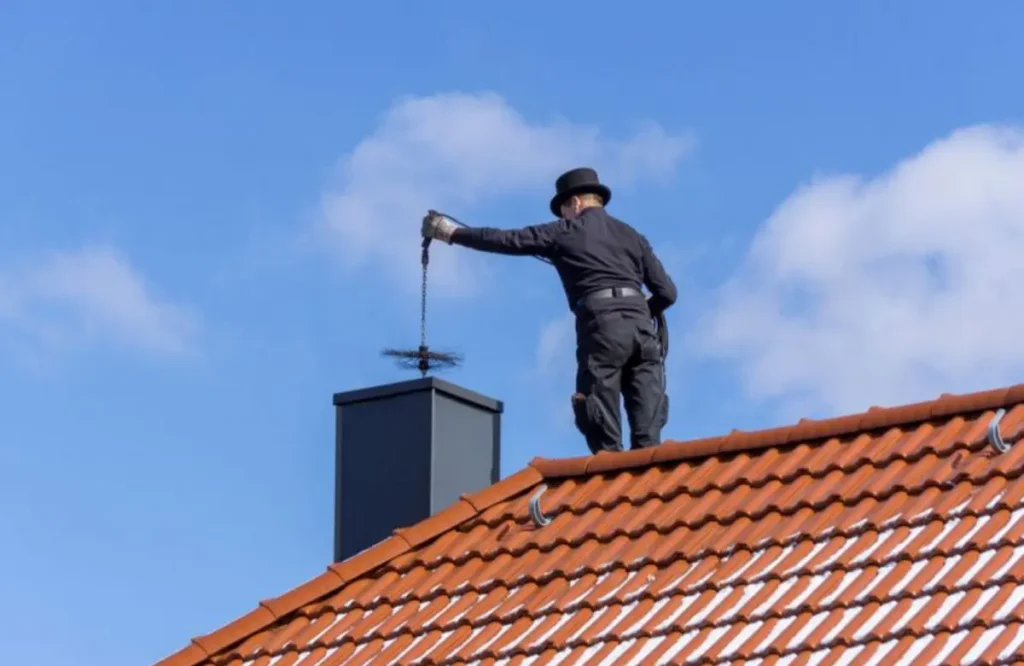
Exterior examination checks masonry condition, flashing where chimney meets roof, crown integrity, cap presence, any visible cracking or staining. Interior uses lights or cameras up the flue—looking for creosote buildup, cracks, obstructions. Birds love chimneys. Squirrels. Raccoons apparently, though I mercifully haven’t dealt with that.
They test the damper—that metal plate opening and closing your flue. Mine was stuck halfway, explaining drafts I blamed on windows. They check airflow patterns, ensure smoke and gases actually exit. They examine the firebox for cracked bricks, damaged mortar, compromised components.
There are actually three levels of inspection. Level one is visual—what most annual visits involve. Level two adds camera inspection of the flue interior, recommended for home purchases or when level one finds something suspicious. Level three is invasive—attic access, basement connections, possibly removing components. Expensive. Only when necessary.
I’ve had two level ones and one level two. Level two found the cracked liner level one missed because it was above the basic light’s reach.
Problems and What They Cost
Masonry damage—cracked bricks, spalling surfaces, mortar falling out. Water enters, freezes, expands, repeats. Columbia’s temperature swings accelerate this dramatically. Crown damage, that concrete cap on top, is super common. Water goes straight into the structure. Sometimes patchable for a couple hundred. Sometimes requires full replacement at fifteen hundred.
Liner issues terrify me now. Clay tiles crack from heat or settling. Metal liners corrode. Both mean heat and combustion gases touching wood framing, insulation, your house. Carbon monoxide is odorless. You won’t know. My cracked liner was venting into walls. We found it because of creosote smell leaking through, not CO detection.
Waterproofing was something I didn’t know existed. Bricks absorb water, especially old bricks. Proper sealant lets vapor escape while blocking rain. Cheap sealants trap moisture and accelerate damage. Guess which my house had before I got it fixed.
The Money Reality
Inspection runs one to three hundred depending on complexity. My Columbia guy charges one-fifty for basic, two-fifty if he has to get on a steep or high roof. Repairs vary wildly. Minor masonry patching—couple hundred. Crown work—five hundred to fifteen hundred. Flue relining—two to five thousand. Major expense but absolutely non-negotiable if liner’s compromised.
Chimney repair isn’t DIY territory. My uncle tried patching his own crown with hardware store sealant. Lasted one winter. Cost triple to fix properly. Camera inspection, understanding what cracks matter, knowing how your specific appliance interacts with your specific flue—that’s training and experience worth paying for.
What You Can Actually Do Between Visits
Burn dry, seasoned wood. Wet wood smolders, creates way more creosote. Don’t burn trash, glossy paper, treated lumber—chemicals damage liners and create toxic deposits. Don’t overload the firebox—starved fires produce more creosote than efficient burns. I was guilty of all three at various points.
Watch for smoke coming back into rooms, weird smells, bits of tile or brick in the firebox, rust around the damper, white staining on exterior bricks. Any of these means call someone now, not at your next scheduled inspection. I waited two weeks on white staining. Turns out that was advanced moisture damage I should’ve caught immediately.
Chimney cap—if you don’t have one, get one. Keeps rain, snow, animals, debris out. Two hundred bucks installed. Mine paid for itself immediately by keeping out a family of starlings that would’ve nested and blocked the flue.
Keep the firebox clean. Remove ashes regularly, clean soot from the opening. Not just aesthetics—makes spotting new problems easier when you can actually see surfaces.
Why I Changed My Mind
Annual inspection seemed like money I could save. Three years of saving cost me eight hundred in repairs plus a week of genuine terror about what we’d been breathing. Now I do annual without question. Sometimes twice if we’ve had heavy use or a big storm.
The peace of mind alone is worth it. I sleep better knowing someone competent checked it and found nothing, or found something and fixed it before it became an emergency. My near-miss taught me that chimneys are critical safety systems, not decorative architecture.
When you need chimney repair or just want someone competent to check yours, Down to Earth Roofing LLC does thorough inspections. They found stuff my previous guy missed. They explain what they’re seeing without talking down to you. Worth every penny for the peace of mind alone.
FAQs
How often should a chimney be inspected?
Most chimneys should be inspected once a year to ensure safety and performance.
Do gas fireplaces need chimney inspections too?
Yes. Even gas appliances can produce moisture or corrosion inside the chimney, so yearly checks are important.
What are signs my chimney needs repairs?
Look for cracks, loose bricks, smoke backup, bad smells, or damaged dampers.
Can I clean my chimney myself?
Light cleaning is possible, but full cleaning and inspections should be done by a professional.
What happens if creosote builds up too much?
Creosote buildup increases the chance of a chimney fire and reduces airflow efficiency.