

Everyone obsesses over shingles. Color, style, brand, warranty length—homeowners research this stuff for weeks. Then they let contractors slap whatever cheap felt paper underneath and wonder why their roof leaks after eight years. Asphalt shingle underlayment is the unsung hero that actually determines whether your expensive shingles last twenty years or need replacement in twelve.
I’ve crawled through enough attics to know the truth. The best shingles in the world fail prematurely when the layer beneath them is garbage. Water gets in, decking rots, mold spreads, and suddenly you’re explaining to your family why the ceiling has a new water feature. Columbia’s humidity makes this even worse—our climate punishes shortcuts that might survive in drier regions.
What Underlayment Actually Does
It’s the barrier between your roof deck and the elements. Shingles are primary protection, but they’re not perfect—wind lifts them, hail cracks them, ice forces water underneath. Underlayment catches what slips through, protecting the wood structure that actually holds your roof up.
Three main types exist, and honestly, most homeowners have no idea which they’re getting. Felt underlayment—the traditional stuff—is asphalt-soaked paper or fiberglass. Cheap, familiar, and increasingly obsolete. Synthetic underlayment is modern, lightweight, tear-resistant, and what most quality contractors prefer now. Rubberized asphalt underlayment is the premium option—self-adhesive, waterproof, and what you want in high-risk areas like valleys and eaves where water concentrates.
Why Felt Paper Is Dying
Felt worked fine for decades, but “fine” isn’t good enough anymore. It tears easily during installation, especially when roofers walk on it or wind catches exposed sections before shingle roof installation is complete. It absorbs moisture rather than repelling it, which in Columbia humidity means it stays wet longer and degrades faster. UV exposure damages it quickly if shingles aren’t installed promptly.
The only real argument for felt is price—it’s cheaper. But you’re saving maybe a few hundred dollars on a twenty-thousand-dollar roof to use inferior material that compromises everything above it. Math doesn’t work.
Synthetic: The Sweet Spot
Modern synthetic underlayment dominates for good reasons. It’s dramatically stronger—resists tearing during installation and weather events that would shred felt. It doesn’t absorb water, so it dries fast after rain exposure during construction. Most brands have slip-resistant surfaces, making installation safer for workers on steep pitches.
The breathability factor matters too. Good synthetics allow interior moisture to escape while blocking external water. This balance prevents the mold and rot that destroy roof decks from inside. Felt struggles here; rubberized asphalt can be too waterproof and trap moisture if not paired with proper ventilation.
Installation Reality
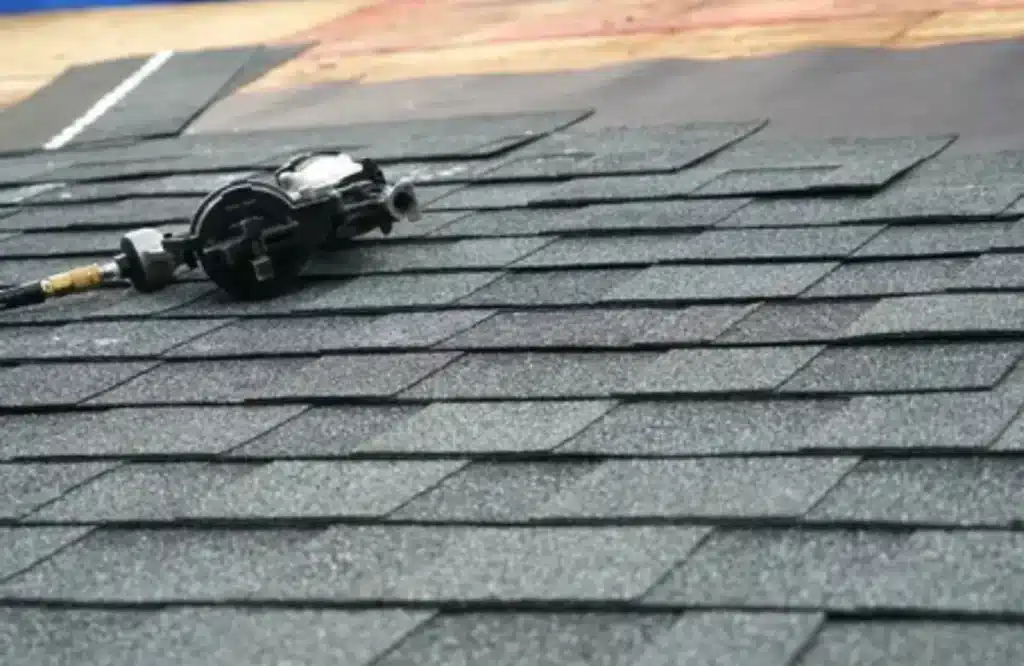
Roofers prefer synthetics because they’re lighter, roll out easier, and don’t degrade while waiting for shingle roof installation to begin. In Columbia’s unpredictable weather, having underlayment that can handle sudden rain exposure without turning to mush is genuinely valuable. Delays happen; materials should survive them.
Rubberized Asphalt: When You Need Maximum Protection
This is the self-adhering membrane that sticks directly to the deck. No fasteners creating penetration points, no wind lift, no water migration underneath. It’s what professionals use in valleys, around penetrations, and along eaves where ice dams or wind-driven rain concentrate force.
Downside? Cost. It’s significantly more expensive than standard synthetics. For most of the roof, quality synthetic is sufficient. But in critical areas where failure means major interior damage, rubberized asphalt is insurance worth paying for.
What Columbia’s Climate Demands
Our weather pattern is brutal on roofs. Sudden temperature swings cause expansion and contraction. Humidity creates condensation issues. Summer storms bring wind-driven rain that forces water uphill and sideways. Winter ice events, rare but real, create ice dam scenarios.
Standard felt paper in this environment is asking for trouble. High-quality synthetic underlayment with proper installation techniques gives your shingles the backup they need. In valleys and around chimneys, spending extra on rubberized products prevents the leaks that destroy kitchens and living rooms.
The Compatibility Factor
Underlayment must match your specific situation. Steep roofs need slip-resistant surfaces for worker safety. Certain decking materials bond better with specific adhesives. Your shingle type and warranty requirements may specify particular underlayment ratings. This isn’t one-size-fits-all, despite what big-box stores imply.
Longevity and Warranty Considerations
Quality underlayment carries 20-50 year warranties that match premium shingle coverage. Cheap felt? Maybe five years, often prorated and full of exclusions. When you’re investing in architectural shingles with thirty-year warranties, using underlayment that fails in twelve is just stupid.
Manufacturers know this. Many premium shingle warranties actually require specific underlayment types for full coverage. Use felt on a roof specified for synthetic, and your warranty claim gets denied when problems surface. Read the fine print; it’s there.
The Bottom Line
Asphalt shingle underlayment isn’t exciting, but it’s critical. Felt paper is outdated for most applications. Synthetic products offer the best balance of durability, performance, and cost for most Columbia homes. Rubberized asphalt belongs in high-risk areas where maximum waterproofing justifies premium pricing. Match your underlayment to your climate, your roof’s complexity, and your long-term plans for the house. Skimp here and you’re not saving money—you’re borrowing problems from the future.
When you want quality materials and expert shingle roof installation that actually protects your investment, Down to Earth Roofing LLC specifies and installs underlayment that matches Columbia’s demanding climate. No shortcuts, no mystery products, just roofs built to last.
FAQs
Which is the best roofing underlayment for asphalt shingles?
Synthetic underlayment has been largely regarded as the most appropriate since it is resilient, waterproof and it is simple to install.
Can I omit underlayment when I am installing asphalt shingles?
No, underlayment is necessary. It provides an additional protection against leaks, winds and heat damage.
What is the lifetime of the roof underlayment?
Quality underlayments have a life span of 20-50 years with regard to the quality of material and installation.
What is the difference between felt and synthetic underlayment?
Felt is conventional yet lighter and heavier. It is light and more waterproof and the synthetic underlayment is stronger.
Is rubber asphalt underlay a worthwhile expense?
Yes, particularly in areas that have heavy rains or snow. It provides high-quality waterproofing and self-sealing.