

BOOM! Welcome, the hubs the size of a ping-pong battery now beating down the roof of your place, holes in it everywhere, water streaming down your ceiling. Panic setting in? Is your wallet screaming at you for no full replacement? Hold up, friend.
Silicone roofs are game changers: You have yourself covered. This doesn’t fix necklaces, hail holes shut easily, no tears required. Smart homeowners who live in hail-prone areas such as Texas, Colorado, and the Midwest are passionately embracing hail damage roof repair using silicone, and they save thousands of dollars and extend their roof by 20 to 25 years. Ditch the headaches. In this guide, we lay out the down-to-earth stages of hail damage roof restoration, on how one should accurately inspect the hail damage up to the anticipated pro application. Your roof is going to spring back all the more. Let’s dive in!
Why Choose Silicone Roof Coatings for Your Roof?
Picture this: A golf-ball-sized hailstone smacks your roof, leaving pits and cracks. Traditional fixes mean tearing off shingles or metal panels, hauling in new materials, and footing a huge bill. But why go that route when silicone roof coatings can step in? They’re like a flexible shield that bonds to your roof, stopping water and weather in their tracks.
Silicone roof coating shines for hail damage roof restoration because it’s tough yet stretchy. It expands and contracts with heat and cold, unlike rigid patches that crack over time. In the US, where storms rage from the Midwest to the Southeast, roof coatings save money, often 50-70% less than full replacements. Plus, they work on all kinds of roofs: Shingle, metal, flat, or even foam roofs battered by hail.
What Is Hail Damage and Where Do You See It Most?
The process of hail damage roof repair begins with identifying the indications. Hail causes random dents and cracks or bruises on the shingles, metal roofs or flat surfaces. There may be no observable leaks immediately, yet the water gets around and decays wood or gives rise to ponding on flat roofs.
This comes home in Hail Alley, such states as Texas, Nebraska, Kansas, and Oklahoma, where chunks of ice fall out of spring storms. Foam roofs or even metal are pummeled even in Colorado. In case your roof is more than 10 years old, hail damage roof restoration is an urgent case to prevent the emergence of other problems in the form of mold or structural problems.
Silicone Roof Coatings and Hail Damage Roof Repair: The Full Guide
Let us immerse into the core of it, the manner in which the silicone roof of the coatings also addresses hail damage roof repair directly. This is not a temporary fix but a complete upgrade of your whole system that makes your roof as robust as ever again and makes it waterproof over the next several decades. We will discuss all the steps and assessment to the application with real-life examples in the context of US homes.
To begin with, know about the harm. It does not merely dent, Hail breaks, it granulates shingles (Verdy peels the top follicle off), or curves metal sheets. On flat roofs that are typical of commercial spaces or homesteads in the South Western region, it worsens ponding of flat roofs where pools of water collect and corrode surfaces. Much-adored foam roofs in California and Florida are insulated, susceptible to punctures and allow moisture to seep into the core and destroy the core.
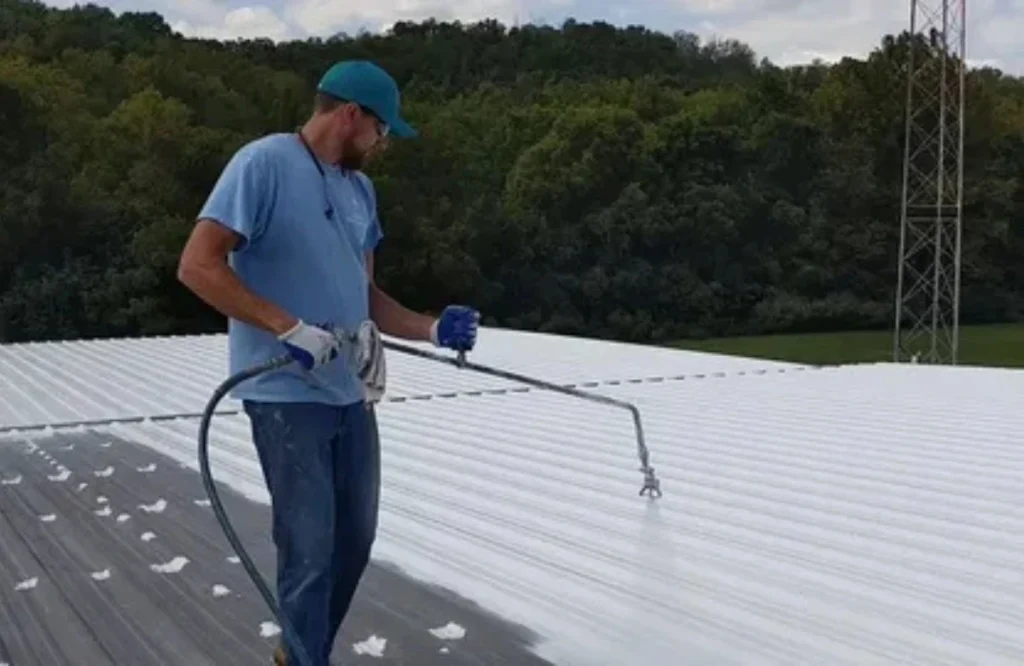
Enter silicone roof coating: a liquid rubber formula applied by rolling or spraying that cures into a seamless, waterproof layer like modern roof coating systems designed to bridge cracks, seal hail damage, and bond effectively to clean surfaces.
Step-by-Step Hail Damage Roof Restoration Process
These are the steps taken to follow in repairing the roof with silicone roof coats to restore it to professional hail damage. It is simple, friendly to an insurance company and it saves you a ton of money.
Step 1: Get a Professional Inspection
Begin with a pro inspection, damage can be covered by insurance in cases of hail and roof repair in case of serious damage. They will look at the depth of dents on metal roofs more than a quarter, missing granules on asphalt-shingled roofs (shake them; when they flow like sand, they are defective) and soft spots or bubbles on foam tiled roofs.
Step 2: Clean the Roof Thoroughly
Wash Dirt, old coating, loose debris and Hail-grit. In the case of ponding on a flat roof, first apply drainage by means of tapered insulation or scuppers. This magic silicone is opened by this usable prep. Wipe completely and then proceed to the other steps.
Step 3: Prime Bare or Damaged Spots
Drape silicone compatible primer onto any bare sections, cracks and hail pits. Pros silicone is high-solids (max thickness is 90% and greater solids). This adhes Deck skips? Metal? shingles? Foam Roofs? This bonds the coating tightly to them! Let it cure for 24 hours.
Step 4: Apply the First Coat of Silicone Roof Coating
Apply 10-15 mils (half a credit card thick) Silicone on the roof. Waterproofing and bridging cracks and filling hail damage commence. Cleanly cover the entire roof area that is 5-7 gallons on a 2,000 sq ft house. Work in sections on hot days.
Step 5: Embed Reinforcing Fabric
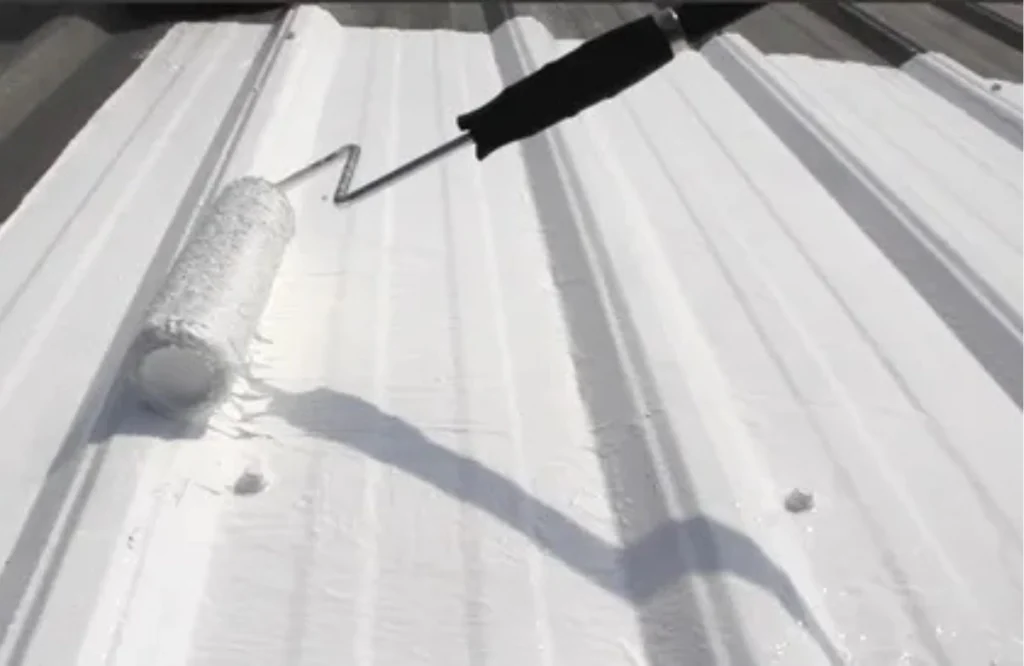
While the first coat is wet, press fibreglass fabric into seams, big dents, or edges for bulletproof strength. Great for roof coating for metal roofs or foam roofs. Smooth it out, no bubbles. This handles flexing and future hail.
Step 6: Apply the Top Coat and Cure
Apply the second layer of silicone roof finishing (another 10-15 mils) to make a 20-30 mils in total. It puts in place an end to everything. Cure 48 hours, no rain. UV, ponding and storms are no longer threats to your roof.
Real Example: Denver Metal Roof Win
In Denver, my buddy reported getting hail accounts of walnut size and her denting the metal roof, leaks in every gutter, second-quoted a tear-off of $25k. They used the following steps: Check-up, clean, brush with fabric reinforcements. Roof restoration Hail damage finished! Leak-free after two winters, 15% reduced energy bills, and the white reflective finish.
Bonus for Waterproof Roof Decks
Backyard plywood decks are cracked by hail in Arizona. Coat twice, prime and clean two times over cloth, boom, seamless waterproof roof deck, BBQs, foot traffic, and blazing of the sun. Steps 1-6 nail it every time.
Tailoring to Roof Types
Asphalt Shingle Roofs: The asphalt shingle roof is a common roof in the Middle East. Hail erosion is stopped by filling the granules with silicone. It adds 10-20 years of life.
- Metal Roofs: Best roof replicas to be used on metal roofs. Silicone prevents rust during dents and expands thermal injury (metal is compromised in summer).
- Flat or Low-Slope Roofs: The Flat roof ponding is solved by the creation of pondless, seamless barriers. Styrene-resistant membranes.
- Foam Roof (SPF – Spray Polyurethane Foam): The Hail punches holes in the foam; silicone repairs the skin, and it can withstand the blows of up to 2-inch stones.
- Tile Roofs: When bricks are silicone, cracks will not be weight-supporting in Florida or Texas.
Energy boost? Silicone is white, reflecting 85% of sunlight (compared to 5% in dark shingles), and AC costs are reduced by 20-30% as found in DOE studies. It is even environmentally friendly with no VOCs, more than 20 years of durability, and reduces landfill waste due to replacements.
Common Challenges and Fixes
Roof damage caused by hail is not an amateur job, with a slippery roof, height, and chemicals. Revenue: Your local skilled applicators (seek SPRI or CRRC accreditation). Price? $3-$6/ sq ft installed, compared to $10-$20/ sq ft for replaceable.
Silicone roof coating as a restoration technique is very popular with insurance providers due to the high volume of hail-related claims, making options like professional roof coating a practical choice for damage-resistant protection.
When ponding a flat roof, mix with foam roof recoating: Foam may be added under the silicone in order to make it flat. On metal roofs, it cuts first with fingers by scratching.
True adventure of Oklahoma City after 2023: Oklahoma City hail film, ponded the flat, foam core poor. It was dried, tapered in clay countered with 40 mils of silicone, and the crews applied tapered foam. No leaks because it does not even leak in monsoons. Similar victories are realised by homeowners who believe a hail-damaged ranch in Nebraska, patched with roof coverings at less than $10 thousand, is insured at 80%.
Maintenance? Check gutters annually. Touch up edges every 10 years. This manual demonstrates that silicone roof finishes are more than just a hat (a band-aid). Roof silicone performs whether one is repairing the hail damage, roof restoration, waterproof roof deck structure or combating ponding on flat roofs.
Key Benefits of Silicone Roof Coatings
The alternative of silicone roof coating has some practical benefits to the US homeowner who must endure the extreme weather.
- Saves huge amounts of money: 50% of the replacement price, with the lowest life extension at 20 years.
- Energy saving guide: Heat resistant, saves on cooling costs (enormous in hot climates, such as Arizona or Georgia).
- Weather warrior: Does hail, UV, up to 110 mph wind.
- Waterproofing finish: No joints leak water away, perfect for waterproof roof decks.
- Eco- win: The one that reduces the carbon print, is recyclable.
Top Tips and Strategies for Success
Ready to roll? These are hail damage roof repair techniques that are tried and tested for using roof coatings.
- Get Insurance on Board: Break photos, drone shots. Silicone is pushed as an allegedly new restoration.
- Prep Like a Pro: Check on the level of moisture (less than 15% before laying one coating). Bandage valleys and flashings out.
- Select Quality: Select 100% silicone and not acrylic hybrids that do not last long.
- Smart Layer: Base coat, this applied in hail spots caused by fabric reinforcements, and top coat. In the case of foamed roofs, mix anti-microbial.
- DIY? Just Small Jobs: Rent equipment for decks; however, those above 4/12 pitches are done by specialists.
- Time Sensitive: Use when it’s 50-90°F. Do not use it in rainy weather. Avoid rain for 48 hours post.
- Upgrade: Solar reflective granules. Adding Granules: Add more solar reflective granules to maximise cooling.
Do these, and your roof will be safe during storm seasons.
Conclusion:
There you go, your complete roadmap to silicone roof coatings and hail damage roof repair. From spotting damage and prepping right, to layering on that tough roof silicone for lasting protection against hail, ponding on flat roofs, and more, you’ve got the tools to save your home (and wallet). Whether restoring a foam roof, sealing a waterproof roof deck, or picking the best roof coating for metal roofs, these steps deliver real results that stand up to US storms.
Don’t wait for the next hailstorm. Contact Down to Earth Roofing today for a free inspection and custom quote. Let’s get your roof storm-ready!
FAQ’s
What’s the best roof coating for metal roofs after hail?
Roof coating for a metal roof using 100% silicone is the top choice. It fills dents from hail, prevents rust from forming underneath, and flexes with hot-cold temperature swings without cracking. Lasts for decades on US homes.
Can silicone fix ponding on flat roofs?
Yes! Silicone roof coating forms a seamless, waterproof barrier that sheds water fast. First, taper the surface with insulation to eliminate ponding on flat roofs, which prevents future pooling and roof rot. Pro install recommended.
Is roof silicone safe for foam roofs?
Totally safe and ideal for foam roof repair. Roof silicone seals hail punctures deep into the foam core, adds tough impact resistance against future storms, and maintains insulation value. No harmful chemicals.
How long does hail damage roof restoration with silicone last?
With proper surface prep and two thick coats, expect 20-30 years of solid protection. Annual gutter cleaning and edge inspections keep hail damage roof restoration going strong through harsh US weather.
Does insurance cover silicone roof coatings for hail damage?
Often, yes, many US policies approve silicone roof coatings as hail damage roof repair for “like-new” results. Snap photos of damage, get a certified pro assessment, and file promptly to maximise your claim payout.
What’s a waterproof roof deck, and how to make one?
A waterproof roof deck is a walkable roof surface for patios or entertaining. Build it by cleaning plywood or foam, then rolling on silicone roof coating in layers for seamless, slip-resistant waterproofing that handles foot traffic.