

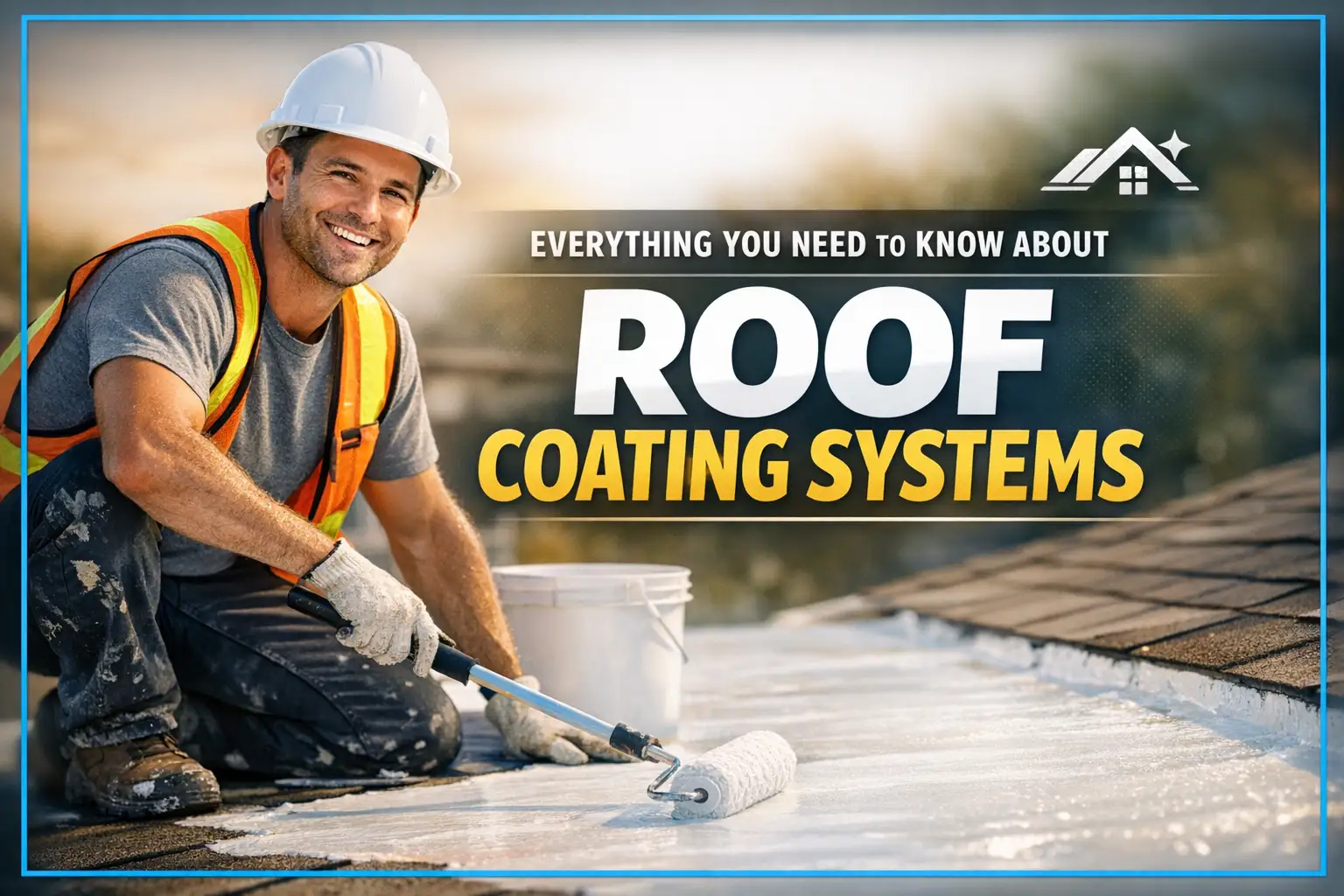
Imagine the following: A huge storm has just swept through, and your roof is being drummed with hail, and now you are looking at holes, shingles blown away, and a huge repair bill. Heart sinks, right? Suppose I were to tell you that there is a very easy remedy that would prevent all that drama, roof coating systems, which are, as it were, an invisible force field, which closes the door to water, blasts away UV rays, and gives years of service to your roof without removing everything on it?
Nationwide, from Florida hurricanes to sweltering Arizona, full roof replacements (and their $15K price-tag) are being abandoned in favor of these ground-breaking finishes. They are more affordable, quicker, greener, and durable enough to face any weather. At the bottom, you will be able to know just how to save money, stay dry, and perhaps even claim the energy tax credits in 2026. Let’s get your roof storm-ready!
What Is a Roof Coating?
A roof coating is a wet film that you apply to your existing roof in order to preserve it and increase its lifetime. Imagine that it is waterproof paint of superpowers; it patches cracks, reflects UV rays, and prevents leakage even before it begins.
Such finishes are offered in different forms, such as acrylic to allow breathability, silicone to allow smooth water runoff, or polyurethane to add additional toughness. What is roof coating, and what does it mean? It’s not just any topcoat; it’s a smart fix that refreshes flat roofs, metal sheds, or shingle setups common in US suburbs.
People at home adore them since they are less costly than new roofs, and they can be used swiftly. In such areas as Florida or Texas, where it rains, a decent rooftop coating keeps the water out of the building.
Why Choose Roof Coating Systems?
Roof coating systems will add 10-20 years of life to your roof, saving half of the repair bills of many US families. They are an intelligent choice when you have a roof that is not so old yet that it is toast, and you do not need to spend the $15,000 to have it replaced.
Saving energy is at the top as well. White reflective finish reduces power costs by up to 20% in hot climates such as Arizona, because less heat is absorbed into the building. They are also green, and therefore, they do not generate as much waste in trash piles compared to old roofs.
Roof coating systems not only extend the life of your roof and improve energy efficiency, but also support long-term roof repair and maintenance, especially when considering solutions like roof coating for your home that naturally enhance durability and cost efficiency.
Where do they shine? Offices, stores, and houses are located in sunny or stormy areas. When you are in the Midwest and hail is falling on you, or you are in California, and you are fighting wildfires, these systems provide fire resistance and hail toughness.
Roof Coating Systems Explained In-Depth
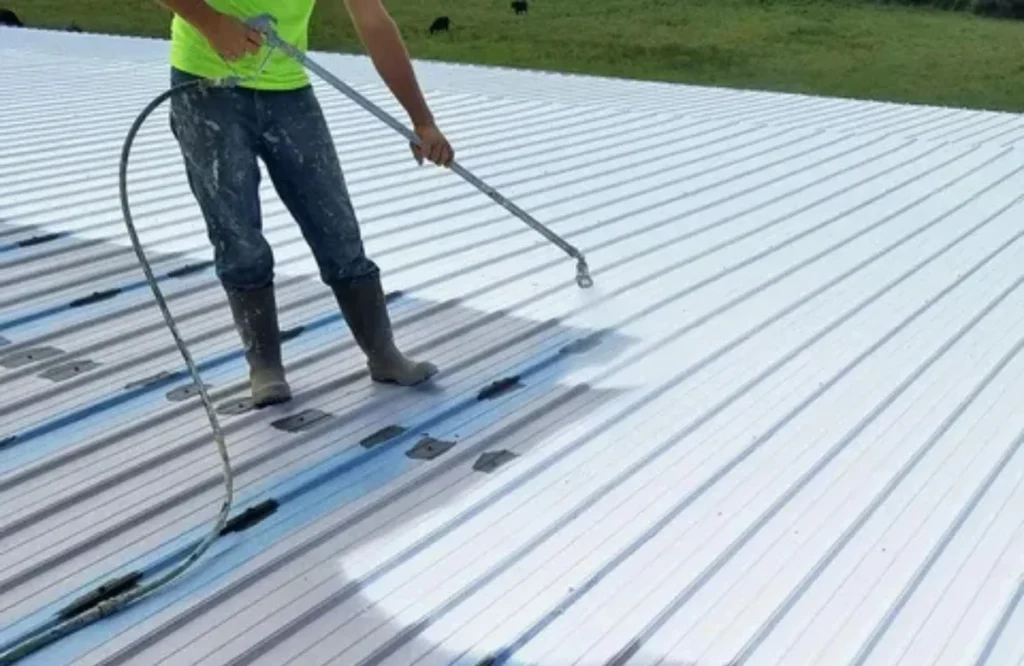
Roof coating systems refer to complete systems, which cover the coating, preparation work, and any other additional details, such as primers or fabrics to cover seams. They are not a simple spray; they are a defense that has been compounded to take care of the wild weather in America, whether it is the snow in the Northeast or the sun in the Southwest.
We shall have a step-by-step analysis. To begin with, know the basics: Such systems begin with a base layer which adheres to your roof and then there is a coat of top which makes it shine and protects it. Silicone systems perform well on flat commercial roofs, and they shed ponding water like water off a duck. The acrylic ones are breathable, and moisture can escape through under shingles to prevent rot.
Types of Roof Coating Systems
- Acrylic Coatings: These are water-based and inexpensive and are useful on sloping roofs. They mirror 80% of the sunlight, and this cools the attic.
- Silicone Coatings: Leading flat roof covering. 100% waterproof, and can withstand standing water, the coatings are 20+ years with low maintenance.
- Polyurethane: Hard as nails on the high-traffic roofs, such as the garage. Hybrid systems go well with foam.
- Urethane or Bitumen: Metal roofs are heavy-duty, resisting rust in damp areas such as the Gulf Coast.
These are further enhanced by advanced roof coating techniques provided by professional roofers. Innovative products can be used by the pros, who insulate undercoatings with spray foam, or use additives that are nano-tech self-healing of small cracks. In the USA, systems with Energy Star are eligible to receive tax credits of up to $1,200 to verify IRS regulations by 2026.
Roof Coating Preparation: The Make-or-Break Step
Most of the jobs either succeed or fail in preparing the roof coating. Leave it, and you are flaked in a year. Begin with a walk-around: Identify leaks, soft spots, or ponding areas. Get gutters cleared off, do not get any backups.
- Then, velvet like you have to clean as your roof needs it (it does). Clean up leaves and debris and then power wash with 2,000- 3,000 PSI. Wash with a light detergent when it is greasy or algae, as is the case in humid states. In the case of a metal roof, include a rust remover. Allow it to dry up, not less than 24-48 hours.
- Time to repair: The cracks in the roof are patched up using roof cement and fabric mesh. Seal vents, chimneys, and air conditioning intubation. Low spots? Drainage Fill with acrylic filler. In prime oxidized zones, this thin coating increases stickiness by half.
Pro tip: Test moisture levels. When the roofs are wet, they trap the steam, which is bubbling the coating. During rainy seasons, wait until it is dry. In the case of asphalt shingles, faintly sandy spots are sprayed.
Application Process for Roof Coating Systems
After having been prepared, put on in very thin layers, never solidify it on. Rollers, big roofs with sprayers. Base coat: 1-1.5 gal/100 sq ft. Let it cure 4-6 hours.
Top coat next, same coverage. A squeegee should be used to roll behind. The thickness is achieved by several applications (2-3), targeting 20-30 mils dry film. Hot days? Paint in the morning so as not to be caught by the sun’s heat.
Flats have to be coated on the roof. Flashings get extra fabric embeds. Penetrations? Pipe boots are coated twice. In windy areas, termination bar edges.
Famous Roof Coating Structures
It is proven by real-life victories. The Katrina floods led to the installation of a silicone roof coating system on the Superdome in New Orleans, which is still in place today, and keeps reflecting heat into Louisiana during the summer months.
Acrylic systems are employed in Walmart stores throughout the country, which saves millions of power. Polyurethane was overlaid in the Georgia Dome (later renamed Mercedes-Benz Stadium) to make the crowd resistant to crowding. Even the white house has reflective layers beneath the historical layers, which are sustainable.
In California, solar farms are panels covered by Violet shields. These illustrations demonstrate that the roof coating over homes is up to the giants.
Advanced Roof Coating Techniques
Tech is leveling up. Robotic sprayers make the roofs large and even. IR drying finishes in hours, not days. Hybrid systems combine silicone and graphene to be able to clean themselves; dirt slides off.
Soy-based bio-based acrylics reduce VOCs in order to be sustainable. The spray polyurea foams form membranes that are seamless membranes, which suit hail-prone Colorado.
Maintenance? They are kept clean every year by being hosed down. Recoat every 10 years. Prices? $2-5 per sq ft installed- a half new roof.
Benefits of Roof Coating Sustainability
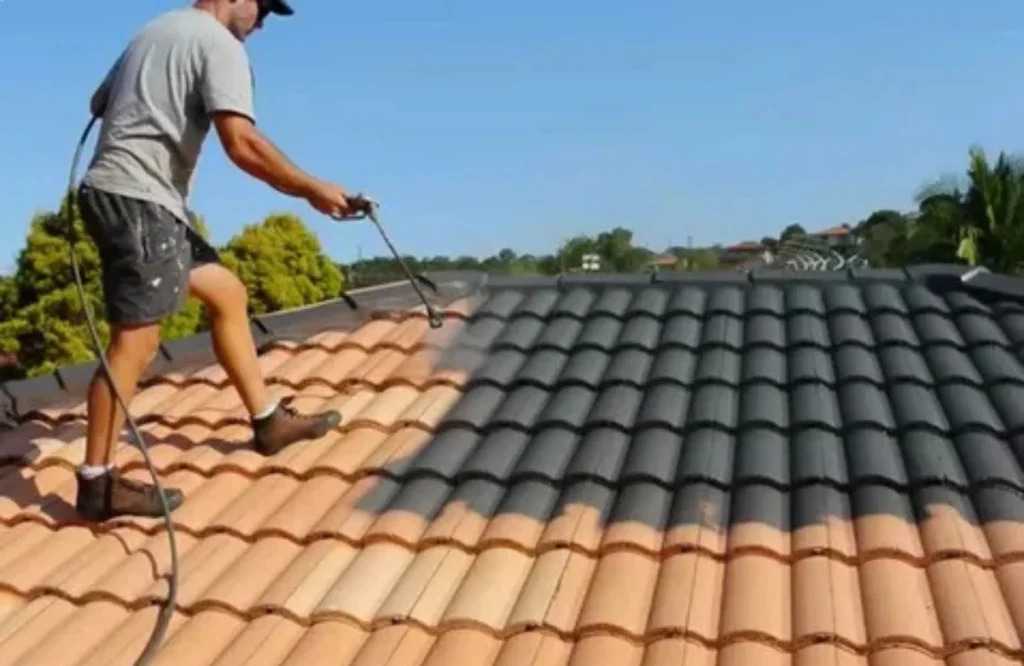
Their coating of roofs is greener, which is why they are eco-stars. They cut the urban heat by a third, cooling such cities as Phoenix. On the one hand, there is less waste because there are recyclable materials.
Green benefits: Reflective rooftop coating reduces bills by 10-30%. The long life will reduce the number of trips to the landfill; each coating of long life will save 5 asphalt layers.
Fire resistance enhances security in fire-prone areas. Low-VOC alternatives ensure air wastage during installation.
Top Tips for Successful Roof Coating
- Recruit certified experts: Find GAF or Energy Star Partners. DIY works for sheds, not homes.
- Timing: Spring or fall, 50-90°F, no rain prediction.
- Budget smart: Get 3 quotes. Factor warranties, 10-20 years standard.
- Check up: Clean the hose down of debris, and inspect cracks.
Conclusion
Roof coating systems are a smart, affordable way to breathe new life into your home’s roof without the headache of a full tear-off. From understanding what a roof coating is to mastering roof coating preparation and exploring advanced roof coating techniques, you’ve got the full picture now. These systems tackle leaks, slash energy bills through roof coating sustainability, and even shine on famous roof coating structures like the Superdome.
Homeowners across the USA swear by them for cutting costs and going green. Don’t wait for the next leak; protect your biggest investment today. Ready to coat your roof? Visit Down to Earth Roofing for a free quote today.
FAQ’s
What is a roof coating?
A roof coating is a thick and protective liquid that is applied to the roof surface you have in place. It is waterproof, sunlight-harmful UV rays are reflected, and it will save you many years of life of your roof without necessarily requiring a complete replacement.
How long does rooftop coating last?
The life span of rooftop coating is usually 10 to 25 years, depending on the type, climate, and maintenance. They can withstand rain, heat, and wind in high-traffic regions of the US as long as they are well coated with a roof and they are checked at least once a year.
Is roof coating preparation really that important?
Yes, the preparation of the roof coating is a success factor. You have to remove dirtiness, repair fractures, and make the surface dry; otherwise, the covering will not adhere and will be removed quickly, throwing away your cash.
What are advanced roof coating techniques?
Modern applied roof coating methods are the spray robotics, which are used to apply an even coating, self-repairing additives that automatically seal minor cracks, and hybrid foams of silicone that bear extreme strength on hard commercial roofs.
Can I DIY roof coating systems?
You may DIY roof coating systems on small sheds or garages, but have it done by professionals for your main roof. They are guaranteed of the correct thickness, warranties, and absence of errors that might cause subsequent leakages.
Are roof coatings sustainable?
Yes, roof coverings are very sustainable. They save a lot on energy expenses by reflecting the heat, save space in the landfill by avoiding a complete roof replacement, and employ low-VOC formulas, which benefit the environment in hot states of the US.
How much does a roof coating system cost?
In the USA, a roof coating system can be installed at between $2 and $5 per square foot, but a new roof is a lot more expensive at $10-15 per square foot. Prices depend on the size of the roof, type, and location. Obtain local prices.