

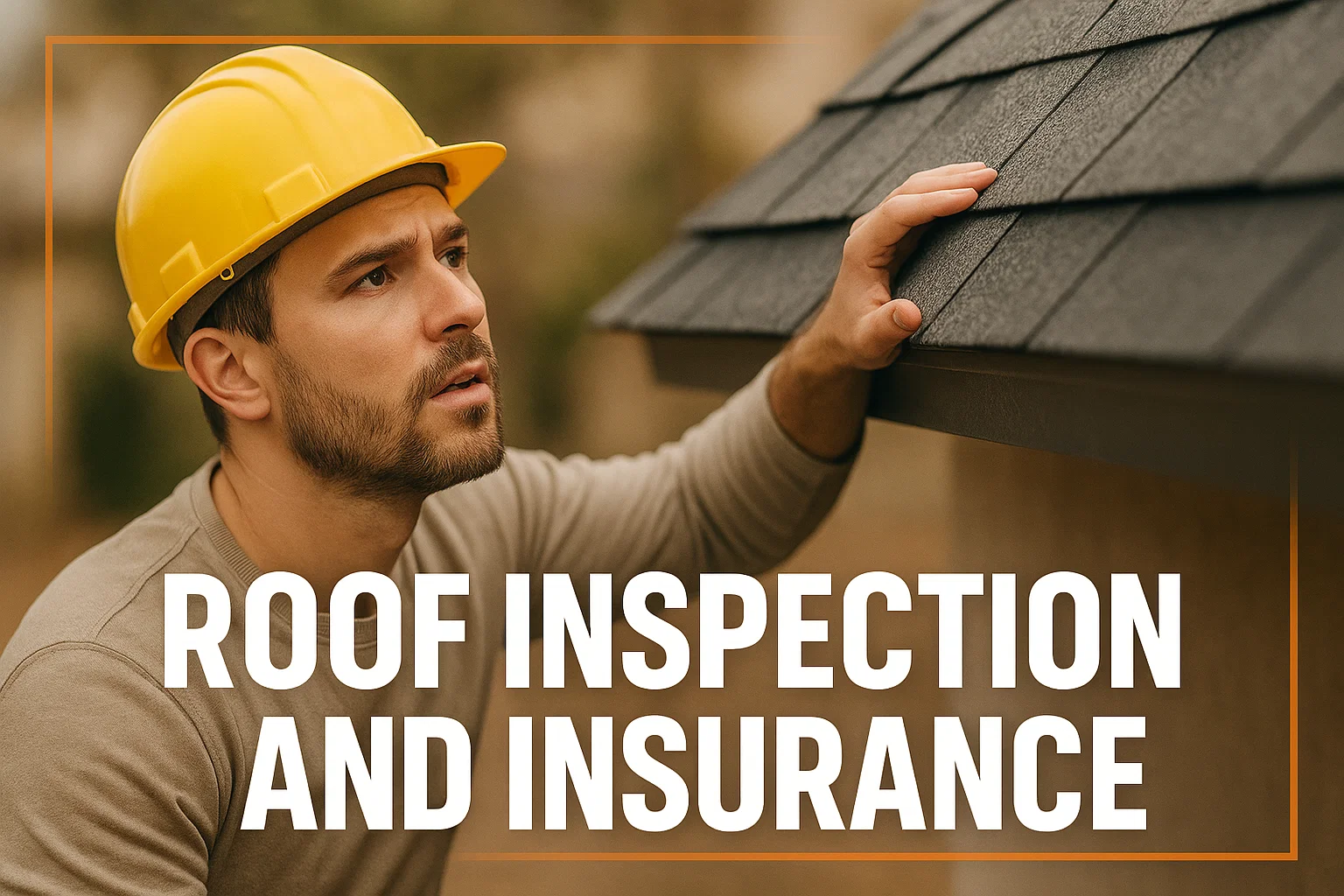
Let’s be honest—nobody thinks about their roof until something goes wrong. And when that something involves storm damage and an insurance claim, you quickly realize that roof inspection insurance requirements can make or break your entire experience. I’ve seen plenty of homeowners in Columbia and Lexington assume their policy covers everything, only to discover their documentation doesn’t meet the carrier’s standards. That’s where working with experienced professionals makes all the difference when you’re trying to get fair coverage.
Insurance companies aren’t trying to make your life difficult, but they do need solid proof. Detailed proof that your roof was in good shape before the storm hit, or that the damage you’re claiming is actually from that hailstorm last Tuesday and not from years of neglected maintenance. The inspectors who understand this process—who know what adjusters want to see in those photos and how to phrase their reports—are worth finding. Emergency roof repair situations especially demand this expertise when you’re racing against time, weather, and policy deadlines that won’t wait for you to figure things out.
Here’s what most people miss: your roof is probably the biggest single investment in your home’s structure. Treat it like an afterthought, and you’re asking for trouble. Get it checked regularly, keep those records organized, and you’re protecting your wallet when the unexpected hits. Professional documentation isn’t just paperwork—it’s your safety net when storms roll through the Midlands and leave you wondering what just happened to your property.
Why Your Insurance Company Is So Particular
Ever tried filing a claim and felt like you were jumping through hoops? There’s a reason for that. Carriers have tightened requirements after too many fraudulent or sloppy claims slipped through over the years. Now they want professional verification before they’ll even discuss numbers with you, and they expect that verification to meet specific standards that vary from company to company.
What “good documentation” actually looks like goes far beyond quick phone pics. You need detailed written reports with high-resolution photos, precise measurements, and clear explanations distinguishing damaged areas from normal aging. When wind lifts your flashing or hail punches holes in your shingles, you need someone who documents that causation clearly and convincingly. Otherwise, you might find yourself paying out of pocket for what should absolutely be covered damage. Roof repair specialists who understand insurance protocols can spot subtle issues that untrained eyes miss entirely, and they know how to present findings so carriers actually pay attention instead of looking for reasons to deny.
Timing matters enormously in this process. Wait too long after a storm, and carriers might reasonably argue the damage happened some other way or worsened due to your delay. But regular inspections also demonstrate that you’re proactive about maintenance, which directly affects how insurers set your premiums. Nobody wants to insure a roof that’s been neglected for years—that’s just asking for expensive problems down the road.
When to Get Your Roof Checked Around Here
The standard advice says twice yearly. That’s fine for places with boring, predictable weather. We don’t have boring weather here in South Carolina, which means our schedules need more flexibility and attention to actual conditions.
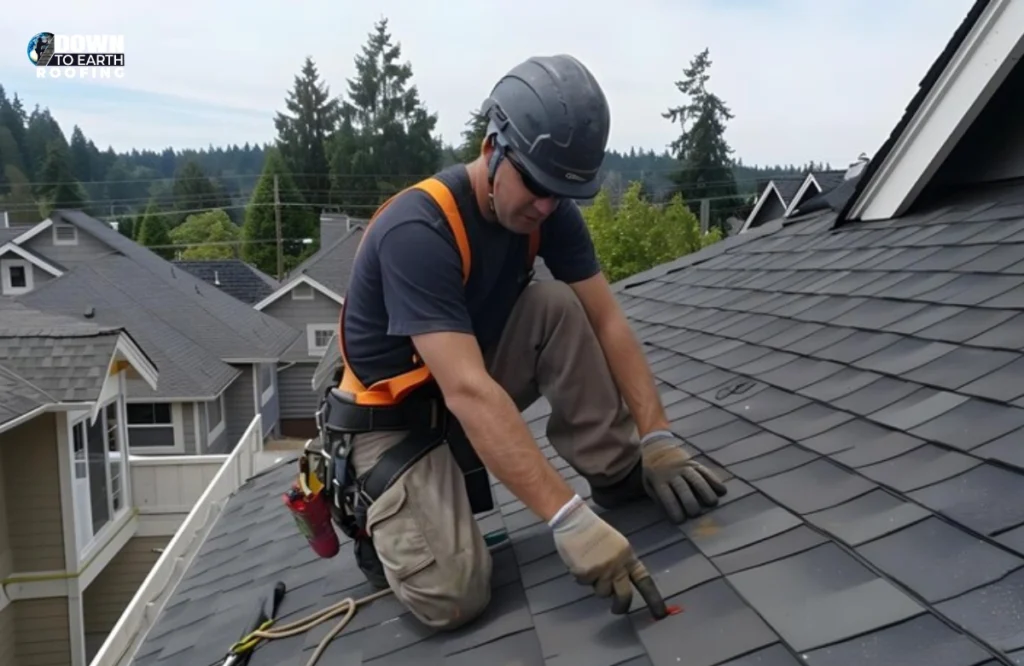
Spring makes obvious sense—you’re checking what winter did to your materials before hurricane season kicks into high gear. Fall? Smart move, especially if we’re looking at a cold snap or ice potential. But honestly, the real game-changer is getting a professional out after any significant storm event. Not necessarily the very next day, but certainly within the week. Hail damage, in particular, can look almost minor from the ground and then turn into major leaks six months later when you’ve already missed your claim window. Roof maintenance services scheduled strategically throughout the year keep your documentation current, your coverage valid, and your premiums as low as possible given our regional risks.
Some problems announce themselves loudly; others whisper until they absolutely scream. If you’re seeing shingles scattered in your yard after a windy day, that’s pretty obvious. But curled shingle edges, dark streaks that weren’t there before, or granules washing out of your gutters? Those are easy to miss if you’re not specifically looking. Inside the house, water stains on your ceiling are your roof’s way of waving a giant red flag. And if your energy bill suddenly spikes without explanation? Could very well be that your attic ventilation is compromised—something a thorough inspector catches early before it costs you hundreds in wasted cooling costs during our brutal summers.
What Makes Columbia Different
Roofs in our area face a genuinely weird combination of threats that homeowners in other regions don’t deal with. We’ve got the heavy humidity that breeds algae and moss growth. We’ve got sudden temperature swings that make materials expand and contract rapidly. And we’ve got severe weather that shows up without much warning at all, sometimes multiple types in the same week.
Areas near the rivers or lakes deal with even more moisture in the air, which means ventilation issues become critical fast. And our specific storm patterns? Microbursts are absolutely real here, and they do real damage that looks different from standard wind wear. You want someone checking your roof who actually knows what Midlands weather does to materials over time, not someone reading from a generic checklist they learned in a classroom somewhere else.
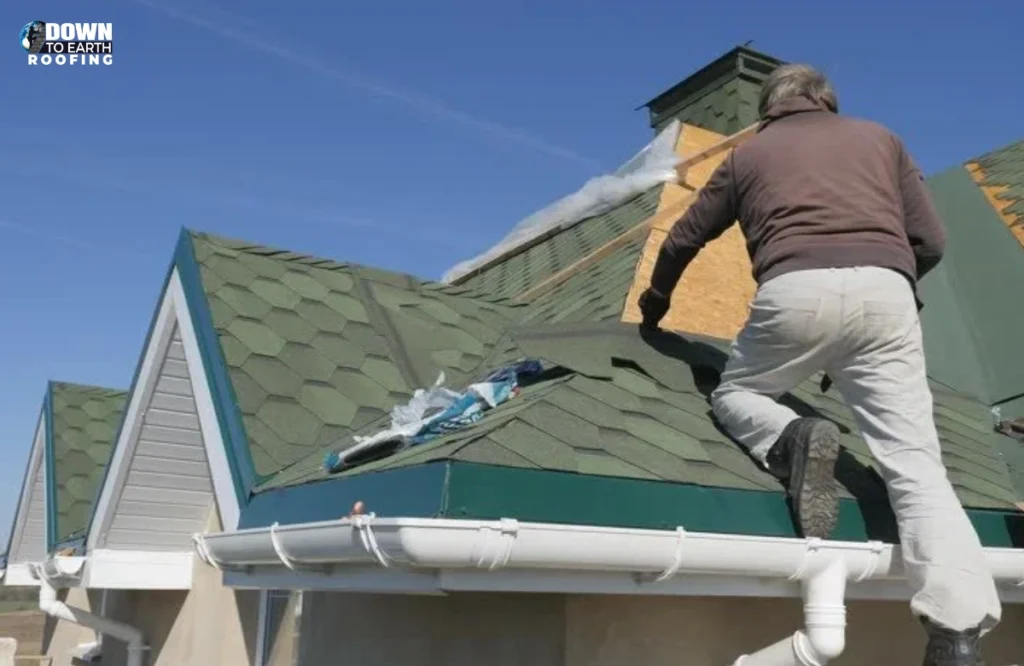
A proper inspection isn’t some five-minute walk-around with binoculars. It’s systematic and thorough. Residential and commercial roofing professionals understand that shingles tell only part of the story. Flashing around chimneys and vents often fails first because that’s where the penetrations create natural weak points. Gutters matter more than most people realize—if they’re not draining properly, water backs up and starts rotting your fascia boards. Every single penetration point on your roof is a potential leak waiting to happen.
The inside matters just as much as the outside. Attics reveal secrets that exterior photos never will: moisture stains on the underside of your decking, insulation that’s been compressed or displaced, ventilation that’s blocked by debris or was poorly installed from the start. Thorough inspectors spend as much time inside your attic as they do on top of your house, because that’s where the early warning signs often hide.
The Bottom Line
Regular professional inspections do cost money upfront. No way around that. But compare that investment to the cost of replacing your roof five years early because nobody caught a small leak that rotted the decking throughout. Or fighting with your insurance company for months because your documentation was weak and they found reasons to deny or reduce your claim. Suddenly that inspection fee looks like an absolute bargain.
I’ve talked to homeowners who saved thousands of dollars because their inspector found hail damage they hadn’t even noticed, filed the claim properly with solid evidence, and got the full replacement cost covered by insurance. I’ve also talked to people who skipped inspections for years, thinking they were saving money, and ended up paying for everything themselves when problems finally surfaced. The math really isn’t complicated when you look at it honestly.
Finding someone worth hiring means asking specifically about their experience with claims documentation—how many reports have they written that got approved? Local knowledge matters enormously too. Someone who just moved here from Arizona might be a fine roofer, but do they understand how our humidity affects different materials? How our storms typically damage roofs? Probably not as well as someone who’s been working Columbia and Lexington properties for years.
Your roof doesn’t actually ask for much. Just some attention now and then, professional eyes that know what trouble looks like before it gets expensive, and records that keep your insurance relationship solid. Give it that basic care, and it’ll protect your home through whatever the Midlands weather decides to throw at it.
When you’re ready to get a thorough inspection from people who genuinely understand both roofing excellence and insurance requirements, Down to Earth Roofing LLC serves Columbia, Lexington, and surrounding communities with the detailed documentation that carriers respect and the honest assessments that homeowners can trust.
FAQs About Roof Inspections
What is included in a roof inspection?
Shingles, flashing, gutters, structure, and attic ventilation are checked.
Do I need a roof inspection for insurance?
Yes, many insurers require it before claims or policy renewals.
Can I inspect my roof myself?
You can spot basic issues, but a professional roof inspection is safer and more thorough.
How long does a professional roof inspection take?
Typically 45–90 minutes depending on roof size and complexity.
What if I skip roof inspections?
You risk hidden leaks, structural damage, denied insurance claims, and premature replacement costs.