

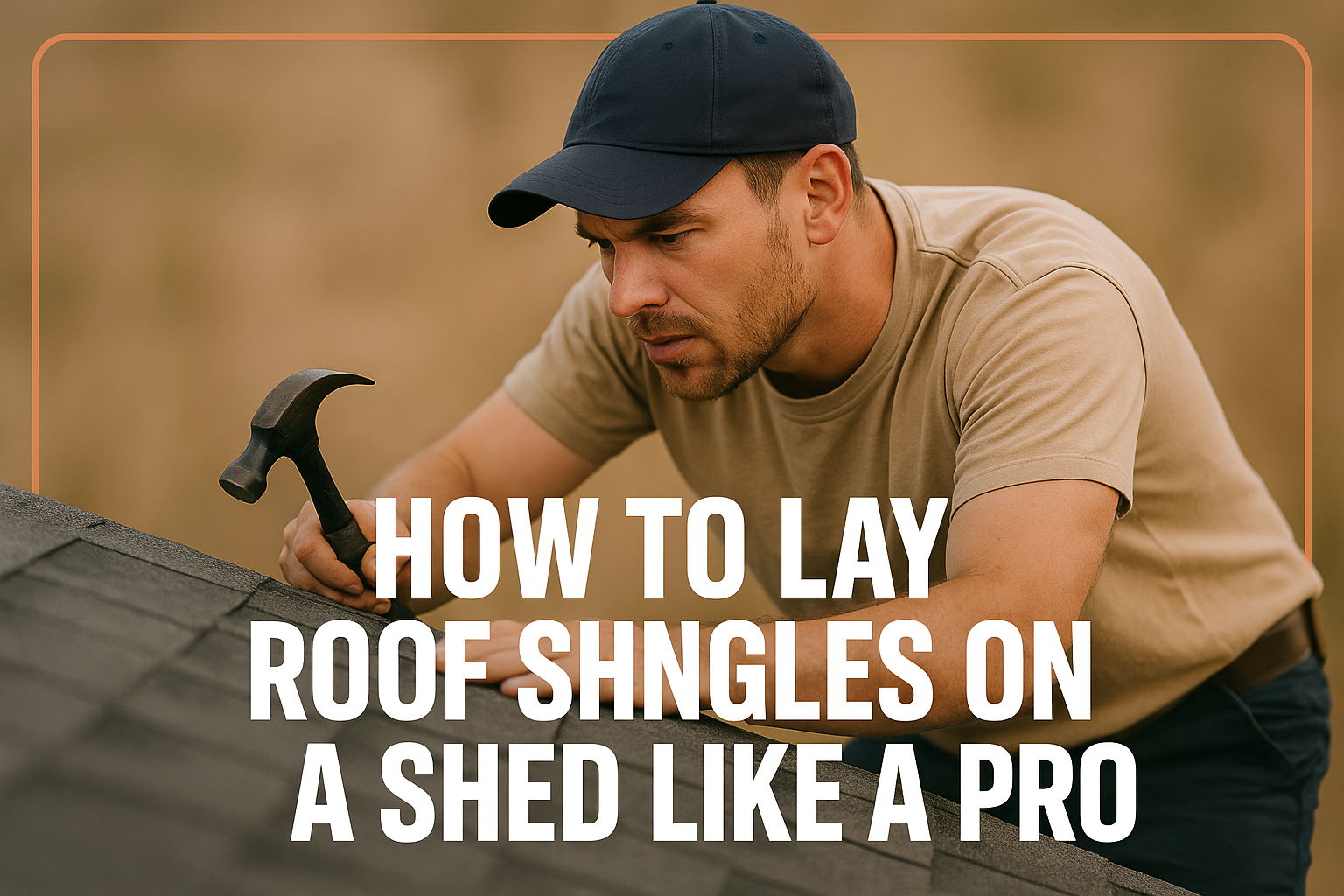
So you wanna roof your shed. Cool. I did mine last summer and—full disclosure—did it wrong the first time. Nailed too high. Didn’t snap lines. Created this waterfall situation every time it rained. Wife was thrilled, obviously. Had to rip half off and redo it. Learned some stuff though. Stuff that might save you from my stupidity.
How to lay roof shingles on a shed sounds simple. It’s not hard exactly, but it’s picky. Small screwups become big problems when water gets involved. And water always gets involved eventually. Columbia’s weather doesn’t mess around—humidity, sudden storms, temperature swings that make materials expand and contract. Your shed roof takes beating year-round, even if you never look at it.
Why Even Care About a Shed
Sheds feel like afterthoughts. Not your house, right? But rotted shed roofs destroy whatever’s inside—tools, lawnmowers, that bike you swore you’d ride. Sometimes damage spreads to fences, garages, whatever’s adjacent. Proper shingle roof installation gives you 20-25 years versus 5-8 years of leaks and headaches.
Also, pride. A neat shed looks sharp. A wavy, patchy mess looks like you quit halfway through. Which—be honest—you might have if you didn’t prep right. I almost did. Was hot. Wanted to quit. Glad I didn’t.
What You Actually Need (Don’t Overbuy)
Skip the fancy stuff. For standard asphalt on typical shed: shingles (calculate square footage plus 10% waste for cuts/mistakes), galvanized roofing nails (not regular nails—they rust), decent underlayment (spend a little here, cheap felt tears easy), drip edge metal, utility knife with fresh blades (dull blades equals jagged cuts equals ugly), hammer or nail gun if you’re fancy, chalk line (essential—don’t eyeball), measuring tape, and safety gear that actually fits. Gloves, eye protection, shoes with grip.
Ladder stability matters more on sheds. Often working alone, no spotters. Extension ladders secured top and bottom. I’ve seen people try roofing from stepladders. Almost saw one fall off. Don’t be that person.
Prep: The Part Everyone Skips
Old shingles gotta come off completely. Not “mostly off”—completely. Inspect decking underneath. Soft spots? Rot? Replace with exterior-grade plywood. Interior plywood delaminates when moisture hits. Don’t use it. Sweep clean. Check for nails sticking up. Make sure surface is dry.
Wet decking traps moisture. Shingles look fine at first, but underneath gets moldy, rots, fails early. Wait for dry conditions. Columbia humidity means morning dew hangs around. Start mid-day. I started at 8 AM once, dew still there. Nails didn’t grip right. Had to redo sections.
Drip Edge and Underlayment (The Invisible Stuff That Matters)
Drip edge first—metal strips at edges that direct water away. Overlap pieces by inch or so. Nail securely. Prevents water sneaking in at edges, which is where most shed leaks start.
Roofing underlayment rolls out from bottom up. Each row overlaps previous by couple inches. Nail or staple enough to hold during shingle work without making Swiss cheese. Self-adhesive synthetic costs more but seals better. Survives weather if your project stretches across days. Mine did—rain came Tuesday, couldn’t work Wednesday. Regular felt would’ve been mush.
Chalk Lines: Don’t Skip This
Seriously. Snap lines. Measure 5 inches up from edge for starter strip, snap horizontal line, then more lines every 5 inches up the roof. Keeps courses straight even when shingles vary slightly. I tried eyeballing first time. Looked like waves. Redid it. Chalk line takes 10 minutes, saves hours of fixing.
Starter strips—buy pre-cut or cut tabs off standard shingles—make first sealed row at eave. Nail about 3 inches from edge, spaced even. This row is foundation. Get it crooked, everything above follows. Ask me how I know.
Actually Laying Shingles (The Main Event)
Start bottom course. Work direction doesn’t matter—pick one, stay consistent. Four nails per standard shingle, about inch above tab cutouts, spaced across. Don’t nail through adhesive strip—that’s what seals next course down.
Stagger seams by cutting half tab off first shingle every other row. Prevents vertical lines that become water channels. Each course overlaps previous by roughly 5 inches, covering nail heads, creating layered protection. Step back periodically. Check alignment. Catching wandering course at row three? Fixable. Row eight? Starting over, buddy.
Work methodical. Don’t rush edges. Don’t rush anything, actually. I rushed my first ridge. Looked terrible. Leaked. Had to caulk it temporarily, redo later.
Ridge, Caps, Finishing
Peak coverage uses ridge caps—pre-formed or shingles cut in thirds. Overlap each by about 5 inches, nail both sides of ridge. Seals highest point where wind and water hit hardest.
Trim overhangs to quarter-inch or half-inch beyond roof edge—enough for water runoff without exposing structure underneath. Apply roofing cement under lifted edges, around anything sticking through roof, over exposed nail heads. Walk finished roof careful. Check loose pieces, misaligned tabs, gaps. I found three nails I missed. Fixed them before they became leaks.
Stuff I Screwed Up (So You Don’t)
Nailing too high misses reinforced strip. Wind catches those shingles, lifts them, tears them off. Nailing too low cracks shingles, makes entry points. Inconsistent spacing looks bad and performs bad. Ignoring manufacturer specs voids warranties you might need.
Rushing starter strip? Wavy roof. Skipping chalk lines? Wavy roof. Using interior plywood or skipping drip edge to save thirty bucks? Costs hundreds later. Penny wise, pound foolish. My dad used to say that. Annoying but true.
Another thing—don’t shingle in real hot sun if you can help it. Shingles get soft, hard to handle, sealant gets messy. Morning or late afternoon better. I did middle of July day, 95 degrees. Miserable. Shingles stuck to everything.
When to Stop and Call Someone
Some sheds have weird angles, multiple valleys, or structural issues. Some people don’t do heights well. Some projects grow beyond weekend scope. Emergency roof repair exists because DIY attempts sometimes make things worse. Recognizing your limits isn’t failure—it’s smart.
Also, if your shed’s attached to house or near property line, codes might apply. Permits, inspections, stuff like that. Check before starting. I didn’t on my first shed. Turned out fine, but could’ve been issue if neighbor complained or something.
Maintenance After (Yes, Really)
Even new shed roofs need looking at. Check after big storms. Clear debris off—leaves hold moisture, grow mold, weigh down shingles. Keep gutters clear if shed has them. Trim branches hanging over. I had a branch rub against my new ridge caps for months before I noticed. Wore groove in them. Fixed branch, touched up caps.
Annual inspection takes ten minutes. Catches stuff before it becomes leaks. Worth doing.
The Bottom Line
Shingle roof installation on sheds demands patience most DIYers underestimate. Small structures actually need more precision—errors show more, water has fewer escape routes. Quality materials, time on layout and starters, recognizing when you’re over your head. That’s the formula.
Done right, shed roof protects your stuff, looks good, lasts decades. Done wrong, you create ongoing headaches that eat weekends and money. I learned that the hard way so maybe you don’t have to.
When your project gets complicated or you want shingle roof installation done proper without the learning curve, Down to Earth Roofing LLC handles Columbia and Lexington sheds, homes, whatever you’ve got. They actually snap chalk lines and nail in right spots. Novel concept.
FAQs
1. How many shingles do I need for a shed roof?
Measure your shed’s roof area and divide by the coverage listed on your shingle package. Add 10% extra for trimming and waste.
2. Can I install shingles directly on old shingles?
It’s not recommended. Always remove old shingles before installing new ones to ensure proper adhesion and ventilation.
3. Do I need underlayment for a shed roof?
Yes, even small sheds benefit from underlayment, which adds an extra layer of moisture protection.
4. How long does it take to shingle a shed roof?
For an average 8×10 shed, expect to spend 4–6 hours, depending on experience and weather.
5. What’s the best way to cut shingles?
Use a sharp utility knife and a straight edge for clean, precise cuts.