

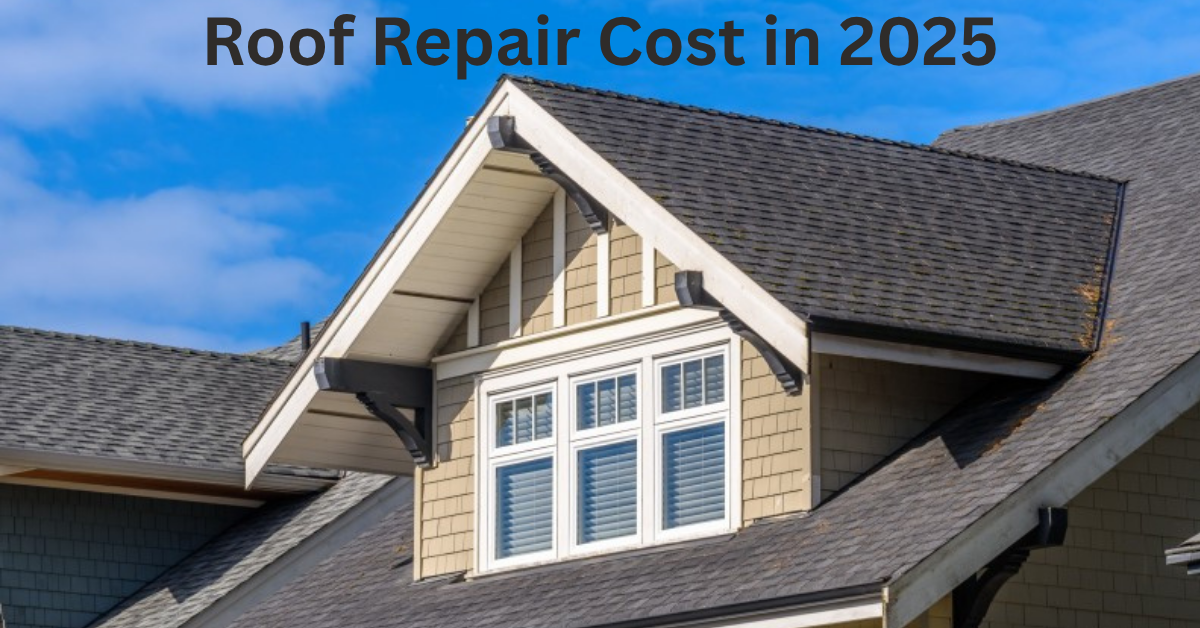
I got three quotes last year for what I thought was a simple leak. First guy said $400. Second said $1,800. Third looked at my roof for thirty seconds and said “probably five grand, maybe more.” Same house. Same leak. Three weeks apart. Welcome to the roofing industry, where pricing is more art than science and your desperation is definitely factored in.
Roof repair cost 2025 is basically whatever number someone thinks you’ll believe. But there are patterns if you know where to look and aren’t afraid to push back. Columbia’s not the cheapest market, not the most expensive, but our humidity creates damage types—rot, mold, algae literally eating shingles—that don’t happen in drier climates. That changes pricing, timelines, and whether a simple patch will even hold.
I’ve watched neighbors panic after storms and hire whoever answered the phone first. Usually they pay 40% more than necessary for rushed work that fails within two years. I’ve also seen people try to “save money” on minor fixes, ignore the real problem, and end up with interior damage costing ten times the original repair. There’s a middle ground, but finding it requires knowing what things actually cost and what questions to ask.
The Replacement Reality Check
Full roof replacement hits most homeowners between $20K and $25K for standard asphalt on a decent-sized house. I’ve heard of $9K jobs but those are usually cutting every corner imaginable—cheap materials, uninsured labor, skipped permits, no warranty. You want that, fine. Don’t complain when it leaks in three years and the guy who did it won’t return your calls.
Premium materials? Metal runs $16-$30 per square foot. Slate or tile $25-$50+. Do the math on a 2,000 square foot roof. That’s car money, sometimes new car money. Some people pay it, usually because they’re staying put forever, their HOA demands it, or they just like how it looks. For most Columbia homeowners, quality architectural shingles strike the right balance between durability and not emptying your retirement account.
Materials: Where They Get You
Asphalt shingles—the standard—range $4 to $11 per square foot installed. Big spread because quality varies enormously. Those $4 shingles? Paper thin, barely meet code, curl and crack fast in our humidity. Spending more upfront on thicker architectural shingles or adding roof coating protection sometimes saves money long-term if you’re staying in the house. Sometimes it doesn’t. Depends on your timeline.
Underlayment adds $500 to $2,000 depending on roof size and whether your decking needs replacement. This is the waterproof barrier beneath shingles—skip quality here and you’re patching again next year. Flashing around chimneys and vents runs $300 to $1,000 and is where leaks actually start, not the field shingles. Contractors love selling you expensive shingles while using cheap flashing. Ask specifically what flashing they’re using and how they’re installing it.
Labor: Paying for Skill or Just Paying?
Tearing off old roofing and doing it right takes time. Labor runs $3,000 to $6,000 typically for full replacement. Steep roofs, weird angles, hard access—all drive it up because workers move slower and need additional safety equipment. Hourly rates claim $75 to $100 but good contractors usually quote project prices because they know how long it actually takes and don’t want to penalize themselves for being efficient.
Emergency roof repair? Add $100-$300 minimum, sometimes more after hours or during active storms. You’re paying someone to drop everything, drive to your house, and stabilize damage before it destroys your interior. Worth it if water’s actively pouring in. Less worth it if you’re just anxious and could wait two days for standard scheduling. Be honest with yourself about urgency.
The Hidden Garbage Nobody Mentions
Removal and disposal: $500 to $1,500 that mysteriously appears in quotes after the initial conversation. Permits and inspections add $100 to $500 depending on your municipality. Columbia requires them; skipping creates massive problems when you sell and the buyer’s inspector finds unpermitted work.
Then there’s the fun surprise—what’s under your old roofing. Rotted decking, failed underlayment, previous owners’ DIY disasters. Some contractors lowball initially then “discover” these issues later with escalating costs. Others price higher upfront and absorb minor surprises. Ask specifically: what happens if decking needs replacement? What’s your price per square foot for unexpected plywood work? Get it in writing, not verbal promises that evaporate when problems appear.
Repair vs. Replace: The Expensive Guess
Small roof leak repair—patching, sealing, replacing a few shingles—might run $150 to $1,000 depending on accessibility and how much detective work is required to find the actual entry point. Moderate damage with decking replacement or extensive flashing work hits $1,000 to $3,000. Beyond that, you’re usually in replacement territory regardless of what you prefer.
Here’s the thing though. I know a guy—smart guy, engineer actually—who spent $800 patching the same spot three times because he didn’t want to pay for proper diagnosis. Turned out the original flashing was installed wrong by the builder fifteen years ago. Third contractor finally found it, fixed it permanently for $1,200. He spent $2,400 avoiding $1,200 because he kept hiring patchers instead of problem-solvers.
Getting Real Quotes That Mean Something
Multiple estimates matter, but comparing them requires understanding what’s actually included. One “repair” patches visible damage and hopes for the best. Another’s higher price includes checking underlying structure, improving ventilation, and guaranteeing the work. Ask what’s included, what guarantees apply, whether pricing covers unforeseen conditions, and what happens if they’re wrong. Warranty terms matter more than price—anyone can be cheap, not everyone returns when their work fails.
Picking Who Actually Does the Work
Lowest bid is usually a warning, not a deal. Local contractors know Columbia permitting quirks, code requirements, weather patterns that affect installation timing and material selection. Shingle roof installation done badly fails fast here, especially with our thermal expansion, humidity cycles, and occasional hail.
Itemized written estimates protect you when things go sideways. Verbal promises and handshake deals mean nothing when your ceiling’s dripping and someone’s ducking your calls. Quality roofers warranty both materials and labor, standing behind their work when issues arise rather than disappearing. They exist, they’re just not always advertising on every billboard or radio spot.
The Bottom Line
Roof repair cost 2025 depends on damage extent, material quality, labor skill, and your own willingness to address problems promptly rather than hoping they magically resolve. Columbia’s climate punishes delay—small leaks become big leaks, big leaks become structural rot, and suddenly you’re explaining to your spouse why the kitchen ceiling is on the floor. Budget for regular inspections and minor maintenance; they prevent the major expenses that devastate savings and create marital stress.
When you want transparent pricing without the runaround, someone who explains what you’re actually paying for and why, Down to Earth Roofing LLC provides Columbia and Lexington homeowners detailed estimates and work that lasts. No mystery fees, no disappearing acts, just honest numbers and roofs that hold up.
FAQs
How much would it cost for a roof repair in 2025?
The average cost of roof repair is $300 to $1,900, depending on the extent.
How long does a roof replacement take?
Most replacements take from 3 to 1 days, depending on the complexity of the roof.
Can I repair my roof myself?
Small repairs might be DIY, but professional work is safer and more reliable.
How often should a roof be inspected?
Inspect at least twice yearly and following major storms.
Does homeowner’s insurance cover roof repair or replacement?
Certain types of storm-related damage may be covered, but consult your insurer.