

Nobody tells you how overwhelming this gets. You walk into a showroom or start browsing online, and suddenly there are forty shades of gray alone—not counting the browns, blacks, and whatever “weathered wood” is supposed to mean. For Columbia homeowners, the pressure doubles because our weather doesn’t mess around. Hail, hurricane remnants, humidity that feels like a wet blanket—your shingles need to handle all of it while still looking decent from the street.
Here’s the reality check: your roof takes up about 40% of what people see when they look at your house. That’s huge. Pick wrong, and you’re stuck with something that annoys you every time you pull into the driveway. Pick right, and you’ve got protection that actually pays off. I’ve watched friends grab the first “neutral” option their contractor suggested, then regret it two years later when the whole neighborhood looks identical and their curb appeal flatlined. Shingle roof installation isn’t just about nailing things down—it’s about making a choice you’ll live with for decades.
Color Isn’t Just Pretty—It’s Practical
Let’s talk about what color actually does up there. Light shingles bounce heat away, which sounds perfect for Columbia summers until you realize our winters can surprise you with ice storms and bitter weeks. Dark shingles soak up warmth—great for January, brutal for July. Most folks around here end up somewhere in the middle, and honestly? That’s probably smart.
But there’s more to it. Dark roofs show everything. Every pollen season, every streak of algae, every bit of debris stands out against black or deep brown. Lighter colors hide the grime better, which matters when you’re surrounded by oak trees that dump leaves nine months a year. I’ve seen charcoal gray roofs that looked pristine after five years, and beige ones that looked filthy after one. Sometimes it’s the material, sometimes it’s just luck with the weather.
The Colors That Actually Sell
Trends come and go, but some shingles stay popular because they work. Brown tones—actual brown, not that weird orange-brown—blend with our natural surroundings and don’t fight the landscaping. Gray goes with almost anything, which explains why half of Lexington seems to have it. Black makes a statement, but it’s a bold move in a climate where summer temperatures on your roof can fry an egg.
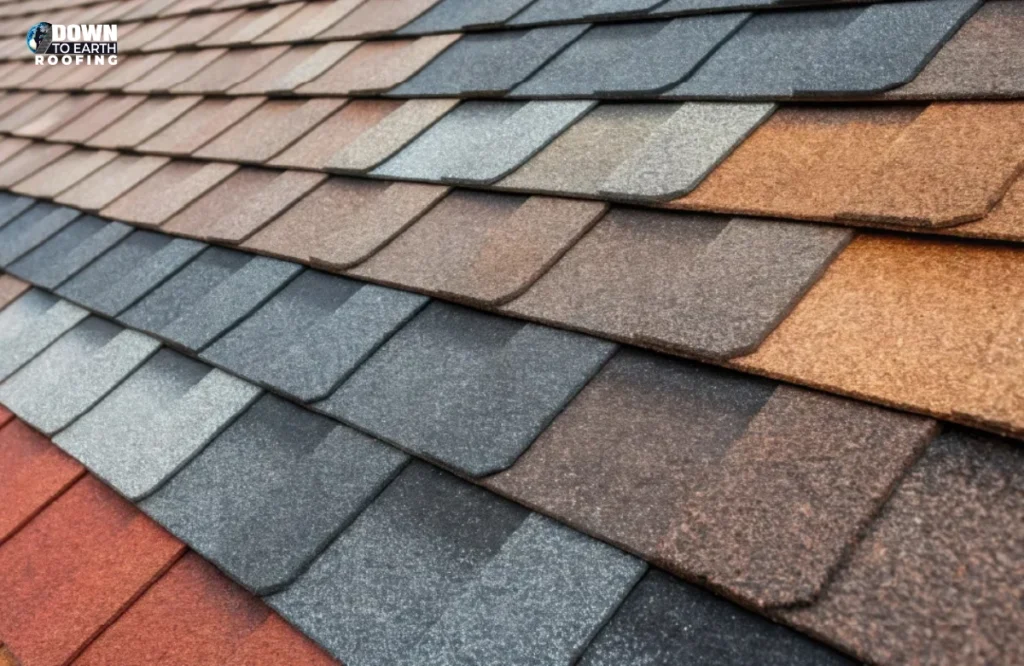
Right now, textured blends are everywhere. Manufacturers mix colors within single shingles to mimic slate or weathered wood without the cost or weight. They look expensive from the street, which helps resale even if buyers know exactly what they’re looking at. Earth tones—sage, tan, muted rust—are creeping back too, especially on Craftsman-style homes where they belong.
Your House Has Opinions Too
Colonials look wrong in anything too wild. Stick with classic grays, blacks, or conservative browns and you won’t regret it. Craftsman homes can handle more personality—earthy greens, deep browns, even some muted reds if the siding cooperates. Modern builds? Charcoal, dark slate, maybe something with real contrast if you’re feeling confident.
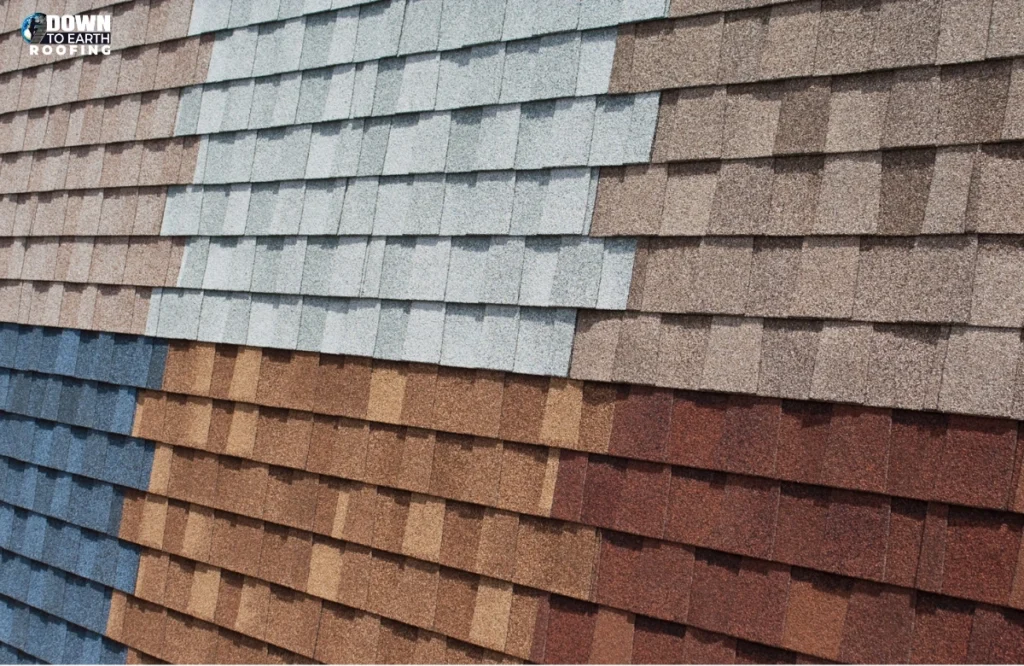
The siding color matters more than people admit. White houses give you freedom—almost anything works, though brown roofs feel safest and most traditional. Beige or cream siding needs careful pairing; too similar and everything washes out, too different and it clashes. Gray siding with gray shingles can look sophisticated or completely flat depending on the undertones. Grab samples and stare at them together in actual daylight, not under fluorescent store lights.
What the Neighbors Think
Yeah, you should care. Not because you need their approval for everything, but because a roof that screams “look at me” in a conservative neighborhood hurts your resale. Drive your street. Notice the range. If everyone’s in muted tones and you show up in bright red, you’ve just limited your buyer pool to people with very specific tastes. That said, being the drabbest house on the block doesn’t help either. Find the middle ground.
Weather Reality Checks
Our specific misery—humidity, sudden temperature swings, occasional hail—means you can’t just pick what looks good in Arizona. Algae resistance isn’t optional here; those black streaks start within months on unprotected shingles. Impact ratings matter when hail shows up in March. Wind resistance isn’t just for hurricanes—our summer thunderstorms rip poorly installed shingles right off.
The Cheap vs. Not-Cheap Decision
Premium shingles cost more. Obviously. But “premium” means different things. Sometimes you’re paying for better materials that last longer. Sometimes you’re paying for color technology that resists fading. Sometimes you’re just paying for a brand name. Do the homework.
Here’s what I’ve learned talking to roofers: installation quality beats material quality every time. A mediocre shingle installed perfectly outperforms an expensive one put on badly. Ventilation, underlayment, flashing details—these invisible elements determine whether your roof lasts 15 years or 30. Roof maintenance services help, but they can’t fix fundamental installation errors.
Warranty Games
Manufacturers love throwing around “lifetime” coverage. Read the actual terms. Usually there’s a non-prorated period—maybe 10 years—then diminishing coverage after that. Many warranties require you to prove regular inspections and immediate repairs. Some are transferable to buyers, some aren’t. Don’t let the sales pitch distract you from the fine print.
Upkeep Surprises
All roofs need attention, but colors and textures change how much you notice. Dark shingles hide algae longer but show fading faster. Light colors look dirty quicker but age more gracefully in terms of color consistency. Architectural shingles with dimensional texture mask small damage; flat three-tabs reveal every issue immediately. Think about whether you’re the type who wants early warning signs or prefers not knowing until it’s unavoidable.
When Storms Hit Hard
Even perfect shingles fail when hail punches through or wind rips edges. The difference is how they fail. Quality materials often sustain localized damage you can patch. Cheap ones fail catastrophically, requiring full replacement for what should be minor fixes. Emergency roof repair costs enough without adding unnecessary scope because your shingles couldn’t handle impact.
Columbia’s storm patterns are weirdly specific. We get microbursts—sudden, intense wind columns—that test attachment strength. We get hail in narrow corridors that skip one neighborhood and demolish another. Your shingle choice should account for these possibilities, not just average conditions.
Making the Call
Stop overthinking it. Pick something that complements your siding, fits the neighborhood without disappearing, and handles our climate. Test it digitally if you want, but trust your gut when you see the actual samples. Don’t chase trends that’ll look dated in five years. Invest in quality materials and—this is crucial—find installers who know what they’re doing and won’t rush.
Your roof protects everything underneath it. That’s obvious, but it’s easy to forget when you’re stressing about color matching. Get this decision reasonably right, and you won’t think about it again for years. Get it wrong, and you’ll notice every day.
If you want guidance from people who actually understand Columbia and Lexington roofing—not just theory, but which shingles hold up on specific streets and why Down to Earth Roofing LLC handles selection through installation without the pressure tactics. They’ll tell you when something’s overkill and when it’s worth the extra cost.
FAQs About Roof Shingle Colors
What roof shingle colors are most popular today?
Gray, brown, and black remain the most popular, with two-tone blends gaining traction.
Do lighter roof colors really lower energy bills?
Yes. Light shingles reflect sunlight, reducing cooling costs in hot climates.
What color shingles look best with a white house?
Gray shingles or a brown roof house combo are both timeless pairings.
How do I choose between light and dark shingles?
Consider your climate light for hot, dark for cold and your home’s exterior style.
Do Owens Corning shingles come in many colors?
Yes, the Owens Corning Duration shingles colors collection offers a wide variety of options.