


Nobody wakes up thinking about their roof. It’s just… there. Until suddenly it’s not doing its job, and you’re standing in your living room with a bucket wondering why you ignored the hints for six months. I’ve done it. Most homeowners do. We notice something off—a weird stain, a shingle in the yard—and think “I’ll deal with that later.” Later becomes expensive fast, especially around Columbia where the humidity and storms don’t give you breathing room.
So here’s my honest list. No fancy jargon, just what I’ve learned watching roofs fail and talking to guys who fix them for a living. If you see these, roof repairs shouldn’t wait.
1. Shingles That Look Wrong
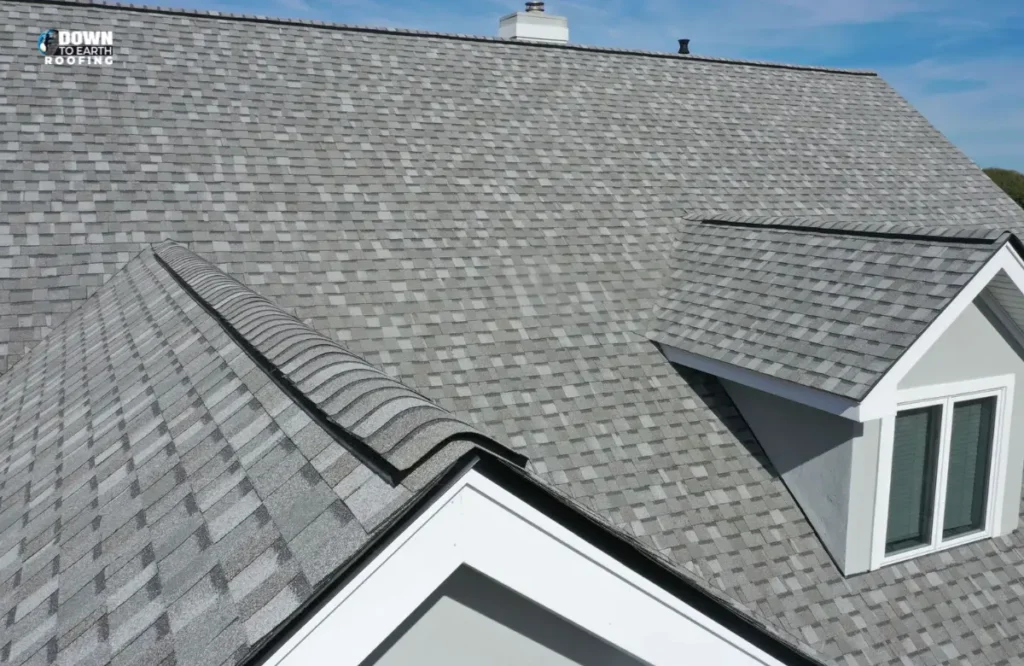
Missing pieces are obvious—if you’re paying attention. But curling edges, cracks, or shingles that seem to be lifting slightly? Easy to miss from the ground. Walk your property after wind. Look up. If your roof looks patchy or you spot actual gaps, water’s already finding its way in. Maybe not into your living room yet, but into the decking, the underlayment, places you can’t see.
Columbia wind does weird damage. Microbursts—those sudden violent gusts—can lift whole sections without ripping them completely off. They sit there looking okay until the next storm finishes the job. If you’re finding shingle fragments after weather, assume there’s more damage you haven’t spotted.
2. Water Inside Your House
This seems obvious, right? But you’d be surprised how many people see a brown stain on the ceiling and think “I’ll paint over that.” Don’t. By the time color shows through your drywall, the leak’s been active for a while. Water travels—where it enters and where it exits can be feet apart.
Active dripping means drop everything and call someone. Bucket duty isn’t a solution, it’s damage control. The real problem is somewhere above, probably spreading. In our humidity, mold starts within a day or two. Not “might start.” Does start. I’ve seen attics that looked like science experiments because someone waited a week to make a phone call.
3. Your Roofline Isn’t Straight
Stand across the street. Seriously, do this. Your roof should look like a straight line, maybe with intentional peaks and valleys. If you see dips, waves, or actual sagging roof deck, that’s structural. Water’s been sitting somewhere, rotting something load-bearing, and now your roof is literally failing to hold itself up.
This isn’t “call next week” territory. This is “don’t walk under that section” territory. I’ve watched a porch roof collapse from exactly this—owner knew it looked “a little wavy” for months. Cost him ten times what early intervention would have.
4. Gutters Full of Gravel
Clean your gutters. I know, nobody likes this job. But while you’re scooping leaves, notice what’s underneath. Granule loss looks like coarse sand—black, gray, sometimes colored. A few are normal. Layers of them mean your shingles are shedding their protective coating fast.
Without those granules, shingles bake in sun and crack prematurely. It’s like bald tires—technically still there, but not doing the job. This warning sign gives you time, but not endless time. Maybe a season, maybe two, before you’re looking at full roof replacement instead of targeted repairs.
5. Green Stuff Growing
Moss looks quaint on cottage photos. On your actual roof, it’s destruction. Moss, algae, lichen—whatever you want to call the green or black streaks—hold moisture against shingles constantly. In Columbia humidity, that’s a recipe for accelerated decay.
Black streaks running down are usually algae. Thick green patches are moss with actual root systems that lift shingles as they spread. Both mean your roof stays wet longer than it should. You can clean it, but you also need to figure out why it’s growing—usually shade, poor drainage, or underlying moisture issues.
6. Flashing That’s Seen Better Days
Roof flashing is the metal stuff around chimneys, vents, where roof meets walls. When it’s bent, rusted, missing pieces, water flows straight into joints. This damage hides easily from ground view, which is why it causes some of the worst interior damage—water gets into walls and stays hidden for months.
After storms, grab binoculars. Look specifically at chimney bases and vent pipes. Gaps here are common entry points that create expensive problems fast.
7. Light in Your Attic
Go up there during daytime. Turn the lights off. If you see pinholes of daylight through the roof boards, you have openings. Maybe small now, but they expand. Water, air, insects, energy loss—all passing through.
While you’re looking around, check for dark stains on rafters, damp smells, or insulation that looks compressed or discolored. These companion clues tell you if those holes are actively letting water in, or just waiting to.
8. Energy Bills That Jumped
Sudden spikes in heating or cooling costs trace to lots of things, but roof ventilation failures are common culprits. When humid attic air can’t escape, it saturates insulation. Saturated insulation doesn’t insulate. Your HVAC runs constantly trying to compensate.
Compare this year’s bills to last, accounting for rate hikes. If usage is up significantly and you haven’t changed habits, your roof might be failing silently, stealing efficiency every month.
9. Paint Peeling Near the Top
Bubbling or peeling paint on fascia boards or siding near rooflines means moisture buildup. Usually from poor attic ventilation or hidden leaks condensing against cooler surfaces. The paint problem is cosmetic; the rotting wood underneath isn’t.
This often pairs with ice damming if you get winters cold enough, or just persistent humidity stains. Both indicate your roof system isn’t breathing right, trapping moisture that destroys everything it touches.
10. Storm Damage You Can See
Hail dents. Wind-lifted sections. Tree branches that made contact. Even if it’s not leaking yet, impact damage compromises your roof’s integrity. Every subsequent storm exploits those weaknesses.
Schedule inspection within days of significant weather. Not weeks—days. Emergency roof repair exists because waiting turns minor damage into major failure. Document everything with photos for insurance claims, because adjusters want evidence tied to specific events.
The Insurance Game
Speaking of which—documentation matters more than you think. Photograph damage immediately, from multiple angles, with context showing location. Delayed reporting or missing evidence gives carriers reasons to deny. Be thorough, be prompt, be persistent.
The Bottom Line
Your roof talks to you constantly through these warning signs—missing pieces, interior stains, sagging lines, biological growth, energy anomalies. Columbia’s climate accelerates every problem, making quick response more critical here than elsewhere. Learn the signals, act fast, and build relationships with local pros before you’re desperate.
Early fixes always cost less than late fixes. Always. Protect your home by paying attention and responding when your roof asks for help.
When you spot warning signs and need honest assessment, Down to Earth Roofing LLC handles Columbia and Lexington roof repairs without the pressure tactics. Just straight talk about what you actually need.
FAQs
What is an emergency roof?
Any harm that leads to leaking or causes the house to be exposed to the weather, such as removed shingles and holes, is a roofing emergency.
What is the right time to call an emergency roofer?
Do it immediately in case of leaks, storm damage, or structural issues so that the situation doesn’t become worse.
Will Emergency Roof Repairs Be Insured?
Most of the time, yes – mostly in cases of sudden or storm damage. However, it is better to clarify this matter with your insurance company.
How long does it normally take for emergency roof repairs to be done?
Several repairs are done within one day of work, depending on the damage and turnover.
What are the benefits of professional emergency roof repair services?
Professionals, who do it with safety and the estimates get right, make sure that the part is fixed for a long time and your home is safe from other troubles.