

Rain, wind, sun and even hail beat your roof every day. However, the vast majority of people do not give it much thought until the water drips in the house or shingles fly away during a storm. Roof repairs prevent your house from getting wet and your pocket does not skyrocket.
Have you ever wondered why roofs in some cases can last 30 years and a 10-year-old roof needs a replacement? It boils down to simple care. In this post, we’ll break down what roof maintenance really means, why it matters, and how you can do it right, whether DIY or with pros.
What Is Roof Maintenance?
Maintenance of the roof refers to cleaning, repairing, and inspecting your roof so as to ensure it is firm. It is not a single job, but rather, a collection of inspections, cleaning and minor repairs. Imagine that it is the same as cleaning your teeth: You neglect it and issues multiply rapidly.
The problems are identified in their initial stages such as loose shingles or clogged gutters. Cleaning eliminates debris, moss and leaves which retard water. The cracks or the worn-out areas are repaired before they become leaks. Without these, what will be roof maintenance? Waiting to get in trouble, particularly following the damage to the roof hits by storms.
Understanding Roof Maintenance
At its core, roof maintenance is proactive. You check on cracks, missing shingles or rust on flashing twice a year; in spring and fall. Clean the gutters every three months to prevent water backups. Small jobs such as sealing a minor leak are the cause of big headaches.
Types of Roof Maintenance
- Preventive maintenance: Checks and cleaning in order to forestall problems. Trim branches, clear vents.
- Corrective maintenance: Repair what has been damaged, such as having a damaged shingle replaced when the roof has been struck by wind.
- Seasonal inspections: Winter snow or summer hurricanes: Ready yourself with complete scans.
These basics are indicated by such keywords as maintenance of the roof and maintenance of roofing. They protect your house against roof storm damage.
How Roof Maintenance Protects Your Home
Pass it over and the leakages cause mold, or poor beams or collapses. Regular roof repair identifies roof damage caused by storms early enough before structural damage occurs. It extends your roof by 10- 20 years, and you save thousands of dollars.
Why Is Roof Maintenance Important?
And your roof is not overhead, but it is the cover of your home. You do not do it, and you are asking to see expensive surprises. Routine maintenance averts leakages, increases the value, and takes care of harsh climatic conditions such as hail or hurricanes.
Why bother? A single crack ignored following a storm can imply thousands of water damage. The significance of roof maintenance is best seen when you prevent storm damage to the roof.
Key Reasons Why Roof Maintenance Is Important
First, it will eliminate leaks that will rot wood and develop molds. Second, it combats the structural destruction of heavy rain or snow. Third, it increases life span- shingles do not break down easily, and they take a long time before being dragged by debris.
Roof Maintenance In-Depth: A Complete Guide
Now we’re going to dive into the depths of roof maintenance. This is the core of keeping your home well safeguarded, most importantly against harsh weather conditions like storms that ravage roofs across the USA and surrounding areas. We’ll go through it all, from the basics to dealing with storm damage and roof replacement, with real-life examples to make it stick.
Know Your Roof Type First
Roof maintenance starts with understanding your roof type, asphalt shingles, metal, tile, or flat membrane. Each needs tailored care, but the goal is the same: Spot wear before it worsens.
For instance, after a heavy thunderstorm (common around Columbia, SC), check for pooled water or lifted edges. That’s preventive gold. Asphalt shingles crack under Southern heat and humidity. Metal rusts in our steamy summers. Tiles shift with temperature swings from hot days to cool nights. Flat roofs pond water if drains clog during those intense Southeast downpours.
Step 1: Master Roof Inspections
The initial point of defense is inspections. A view of the ground can be had either by a ladder (safely) or binoculars. Look for these red flags:
- Curled or missing shingles, roof evidence of old age or wind damage.
- Fractured dripping about chimneys or vents- water creeps in here.
- Possibly efficient moss or algae, that is, slippery and root-like, and raises material.
- Shingles (exposes the base to UV rays) lose the granules in the form of bald spots.
This should be done every six months as well as after major storms. A hail damage roof repair is identified immediately in a storm damage roof inspection. Hail rips off shingles, resulting in cracks.
I once assisted a neighbor in tracking the size of hail spots in dimes following a downpour in half an hour or so, the first patch cut her $5,000 in a complete replacement.
Step 2: Cleaning That Keeps Water Flowing
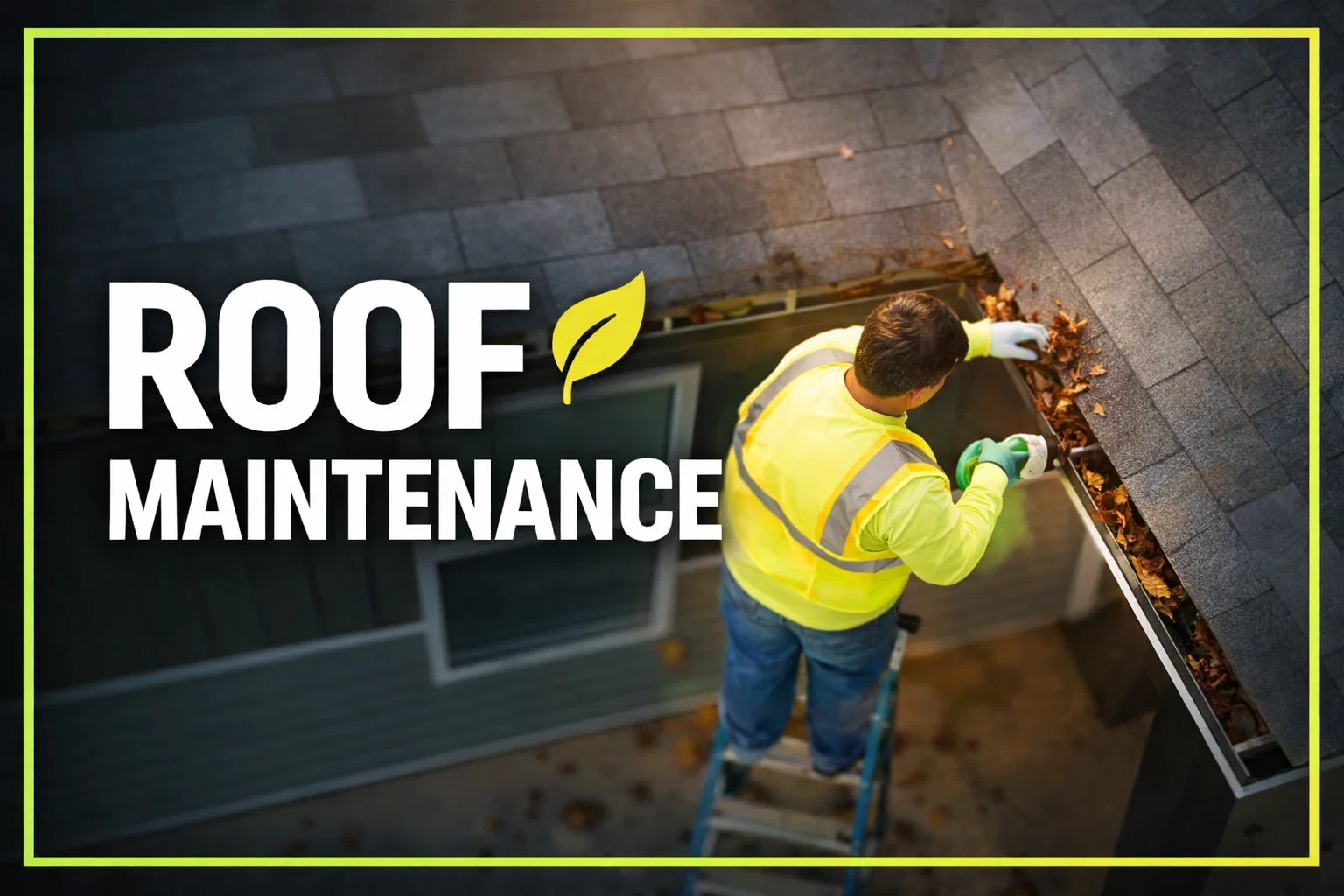
Water kept on its course by cleaning. Leaf gutters lead to overflows, ice dams in the winter and foundation erosion. Scoop debris quarterly.
clean the roof, sweep branches and earthy stuff. In the case of moss, mix vinegar with water, no bitter bleach that chews shingles. Overhanging trees? Trim them back 10 feet. They shed rubbish and provide the squirrels with a highway to chew holes.
Step 3: Simple Repairs You Can Handle
It is what is found during inspection that is repaired. Use roofing cement to seal small leaks. Introduction of single shingles: Loosen up one of the neighbors, push another in, nail fasten. Flashing loose? Reseal with caulk.
However, on something large, such as high-wind roofing damage, you need to call in the professionals. Wind sheds and any underlayment are open to damage.
Handling Storm Damage Like a Pro
Now, attach this to the storms, which are a great deal here.
Damage to roofs caused by a storm can be so trivial initially: A couple of shingles that have blown loose by gusts of wind or hailstones hitting roof tiles. But unchecked, it escalates. Repair of roof hail damage should occur within weeks or it will be infiltrated by water.
The inspection of roofs: That are damaged during storms is safe with the help of drones, which identify concealed tears. Take corrective action fast.
Following a gale, look for wind damage roof indicators: raised edges or smooth embedded debris.
Preventive measures are shed weight before the storm: Everything is locked away, the drains are emptied. After the storm, insurance damage to documents, photos of all dents are beneficial in claims of storm damage roof repair.
Real Costs and Big Savings
Costs? DIY inspections are free. Basic cleaning tools run $50. Pro storm damage roof inspection? $200-400, but it pays off. Full storm damage roof replacement? $10,000+, but maintenance cuts that risk 70%.
Example 1: A Lahore client ignored a small hail hit. Six months later, leaks rotted rafters, $15,000 fix.
Example 2: Another did quarterly checks: caught early roof damage from storm, fixed for $800. Lifespan boost? Shingles go from 20 to 30 years.
Special Care by Roof Type
For flat roofs common in commercial spots, focus on ponding water; drain plugs clog easily. Metal roofs? Check for rust after acid rain. Tiles? Watch cracks from thermal shifts.
Know Your DIY Limits
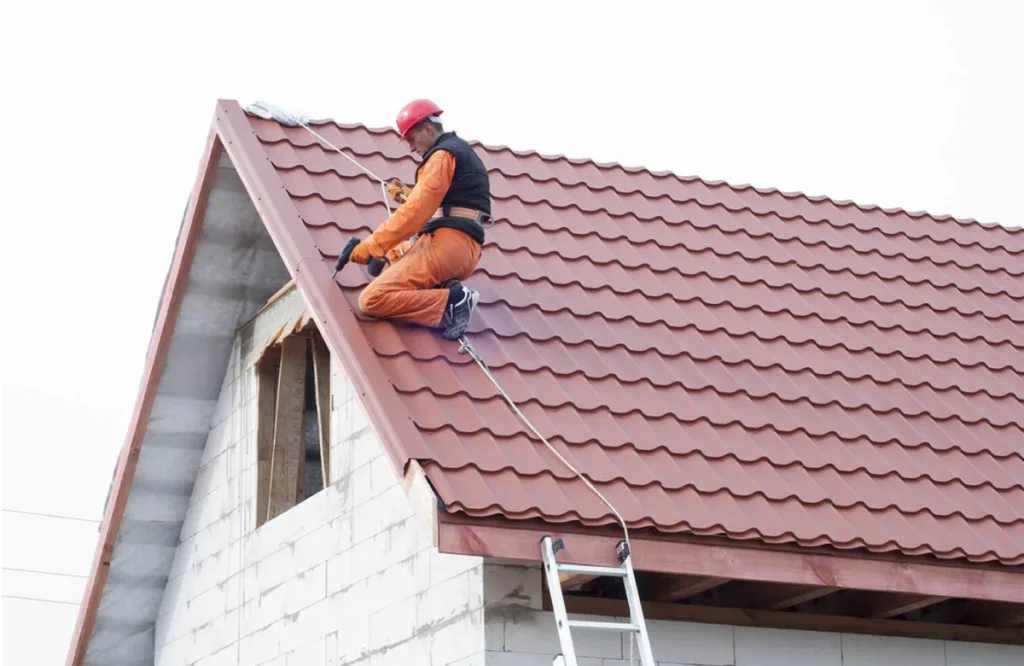
DIY limits: Steep pitches or two-stories? Don’t risk it. Pros have harnesses and insurance. Storm damage roofers specialize in hail damage roof repair, using ice-water shields for future storms.
In short, roof maintenance is a routine defense. It turns “what is roof maintenance” into “aha, that’s why my roof’s solid.” Regular roof maintenance builds resilience against storm damage and roof replacement nightmares.
Roof Maintenance Checklist and Pro Tips
Make it easy with a homeowner checklist. Use this for regular roof maintenance, print it out!
Roof Maintenance Checklist for Homeowners
- Inspect regularly: Scan for leaks, damaged shingles, flashing issues, and moss. Check the attic for stains.
- Clean gutters/downspouts: Every 3 months, stop pooling, ice dams, and foundation woes.
- Minor repairs: Seal leaks, swap shingles, fix flashing pronto.
DIY Roof Maintenance Tips
- Simple inspections: Binoculars for shingles, vents, attic dampness.
- Cleaning: Rake debris, trim branches, scrub moss softly.
- Know limits: Structural cracks or storm damage roof? Call pros.
Common Roof Maintenance Mistakes to Avoid
- Ignoring small stuff: Leaks grow into roof maintenance cost bombs.
- Skipping seasons: No spring/fall checks invite damage.
- Wrong cleaning: Ditch pressure washers; they strip granules.
Professional Roof Maintenance Services
Sometimes, you need experts, especially for storm damage roofers or hail damage roof repair.
Hiring a Roof Maintenance Company
Go licensed and insured. They handle storm damage roofing safely.
Annual Roof Maintenance Programs
Yearly checks prevent 80% of big issues. Great ROI on roof maintenance cost.
Conclusion
Roof maintenance is your home’s best friend. Simple steps prevent disasters, extend life, and protect value. From DIY checks to pro storm damage roof services, staying on top keeps you dry and saves cash. Prioritize it today.
Ready for worry-free roofing? Visit Down to Earth Roofing for expert inspections and repairs.
FAQ’s
What is roof maintenance?
It’s checking, cleaning, and fixing your roof regularly. This includes inspections for damage, clearing gutters, and sealing small leaks to keep everything strong.
Why is regular roof maintenance so important?
It stops small problems from turning into big, expensive ones. Regular roof maintenance spots storm damage to the roof early, prevents leaks, and makes your roof last 10-20 years longer.
How often should I do roof maintenance?
Twice a year, spring and fall, plus right after any storm. A quick storm damage roof inspection can save you thousands.
What’s the average cost of roof maintenance?
DIY checks are free. Pros charge $200-500 for annual visits. It’s way cheaper than storm damage roof replacement, which runs $10,000+.
Can I do roof maintenance myself?
Yes, for simple stuff like gutter cleaning or spotting loose shingles. But skip steep roofs or anything needing ladders, call pros for safety.