


So your roof’s messed up. Welcome to the club. Every Columbia homeowner hits this eventually—storm blows through, tree drops a branch, or you just notice a suspicious stain spreading across your ceiling while you’re watching TV. First instinct? Grab a ladder and fix it yourself. Sometimes that works. Sometimes you end up with a bigger hole, a bruised ego, and a story your spouse won’t let you forget.
I’ve patched roofs that held up fine. I’ve also patched roofs that leaked worse afterward because I rushed, used the wrong stuff, or didn’t actually find where the water was coming from. How to patch a roof isn’t rocket science, but it’s not “slap some tar on it and hope” either. Knowing the difference between a quick DIY job and a “call emergency roof repair now” situation saves you money and keeps you from falling off your house.
When You Can Actually Handle It Yourself
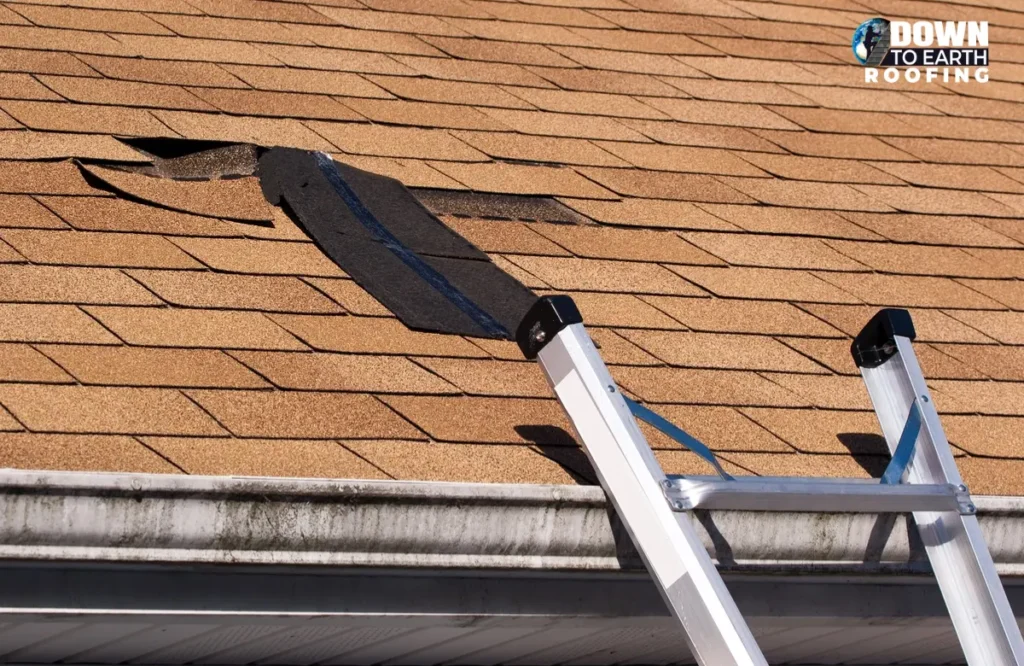
Not every drip requires a professional. Small stuff—one or two missing shingles, a tiny puncture from debris, a worn spot around a vent—this is usually doable if you’re decent with tools and not afraid of heights. Key word: small. If you need both hands free and you’re stretching to reach the damage, stop. That’s how accidents happen.
Can you see the problem clearly without climbing onto steep sections? Can you reach it from a stable ladder position? Is the damaged area smaller than a standard shingle? If yes to all three, maybe try it. If any answer is no, roof repair guys exist for a reason. Use them.
The Stuff You Actually Need
Forget the infomercial garbage. Real patching needs: matching shingles (or membrane for flat sections), actual roofing cement—not caulk, not silicone, roofing cement—a flat pry bar, roofing nails long enough to bite, and a sharp utility knife. Safety-wise: shoes that grip, gloves, eye protection. Harness if you’re above one story. Hospital bills cost more than hiring someone.
Columbia humidity screws with curing times. That cement that dries in an hour out west? Give it three here. Rush it and you’ll be patching the same spot again next month. Ask me how I know.
Finding Where It’s Really Coming From
Biggest rookie mistake: fixing where the water shows up inside. Water doesn’t travel straight down. It runs along rafters, drips off insulation, pools in weird spots. The stain on your ceiling might be ten feet from the actual hole.
Best trick? Go up in your attic during rain if it’s safe. Follow the wet upstream. No rain? Look for dark wood, mold spots, compressed insulation. From the roof, scan slow and methodical. Damaged shingles are obvious. Lifted flashing around chimneys or vents less so. Chimney repair work especially—water loves to sneak behind that metal.
Prep Like Your Patch Depends On It (Because It Does)
You cannot—I repeat cannot—patch over dirt, loose granules, or wet surfaces. Most failed DIY patches trace right here. Someone was in a hurry.
Clean everything. Scrape old cement off. Let it dry. For shingles, gently pry up the surrounding ones to get to the damaged piece without tearing what’s still good. Pull old nails completely; don’t hammer them flat. You want a clean, flat, dry surface. Takes time. Do it anyway.
Actually Putting the Patch On
Cut your replacement slightly bigger than the hole. Overlap onto good roofing so water can’t migrate underneath. Slather roofing cement under and around—not just edges. Press firm. No air pockets; they trap moisture and rot everything from inside out.
Nail placement matters more than you’d think. Put them at the bottom edge of your new piece, tucked under the shingles above, so water flowing down covers them. Cement over every nail head. Exposed metal rusts and leaks within a year. I’ve seen it.
Flashing, Vents, and Other Headaches
Field shingles are easy. It’s the joints that kill you. Chimneys, vents, skylights—water enters here way more often than the middle of your roof. The metal flashing bends, corrodes, separates. Residential and commercial roofing contractors spend half their time on these spots because homeowners ignore them.
You can cement-patch flashing temporarily. But if the metal’s bent bad or the seal’s completely blown, you’re buying time not fixing the problem. Know when to stop and call someone who knows what they’re doing.
When to Quit and Call Pros
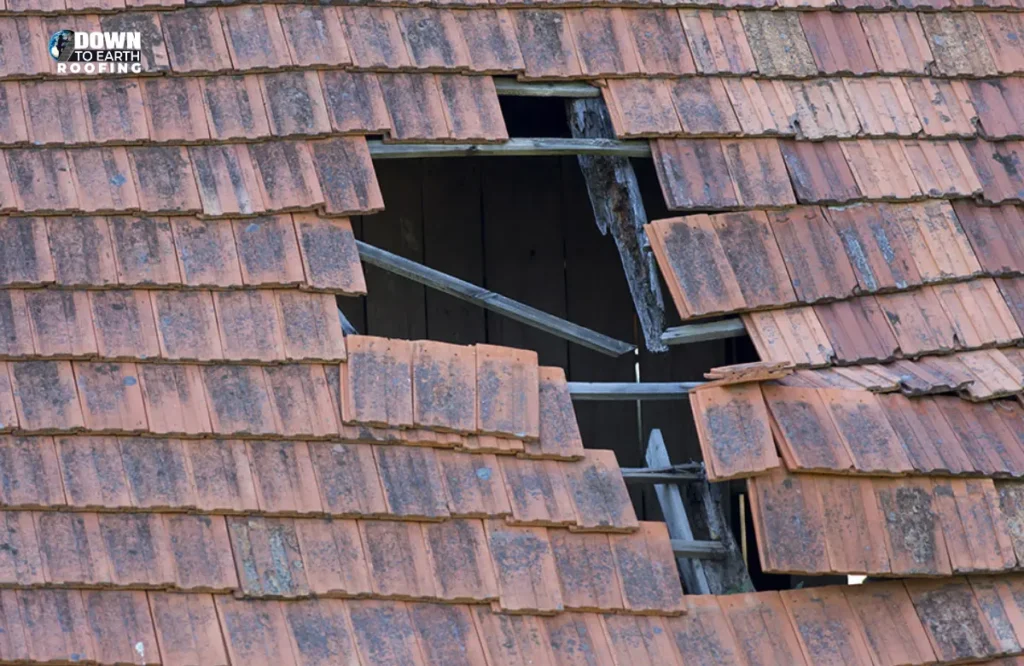
Steep slope? Call someone. Second story or higher? Call someone. Power lines nearby? Definitely call someone. Damage spread across multiple spots, or you’re not sure where it’s coming from? You see the pattern.
Also: if you’re rushing because storms are coming or you need to leave for work, don’t patch. Throw a tarp over it, weigh it down, and schedule proper repair. Half-done emergency patching fails exactly when you need it most—usually at 2 AM during a thunderstorm.
Testing and Not Trusting Your Own Work
Never assume you nailed it because it looks okay. After the cement cures—longer here than the label says—have someone spray water from a hose while you watch inside. Any moisture, any darkening, any seepage means failure. Even slow seepage you can’t see stains yet will rot your decking over months.
Get a pro to inspect within a month of any DIY patch. What looked right to you might have bad nail placement, thin cement coverage, or missed adjacent damage. Experienced eyes catch this fast. It’s worth the fee for peace of mind.
The Bottom Line
Roof patching is about honest self-assessment. Can you do this safely, with proper materials, without rushing? Small, accessible damage—maybe. Anything bigger, higher, or involving critical joints—know your limits. Emergency roof repair costs money, but so do hospital bills and interior water damage. Pick your expensive wisely.
When you’re over your head or just want someone to check your work, Down to Earth Roofing LLC handles Columbia and Lexington without the runaround. They’ll tell you straight if it’s a DIY job or needs professional work. No upsell, just fix what’s actually broken.
FAQs
How do I know if my roof needs patching?
You can look for missing or damaged shingles, leaks, water stains on the ceiling, sagging, or granules in the gutters.
Can I patch a roof leak myself?
Small patches can be done with suitable materials, but for a large, complicated leak, get a professional to fix it.
How long does a roof patch last?
Temporary unions may last a few weeks to several months, but new repairs have the role of assuring protection against the elements for a long time.
How much does it cost to patch a roof?
Small patches might cost $150-$400, the price depending on the damage size, materials, and labor.
When should I call a roofing contractor?
In the event of leaks or storm damage or if there are any indications of structural problems, do not hesitate to call a professional.
Will my homeowner’s insurance cover roof patching?
Lots of policy plans cater to sudden damage coming from storms, yet it is wise to examine your policy details first.