

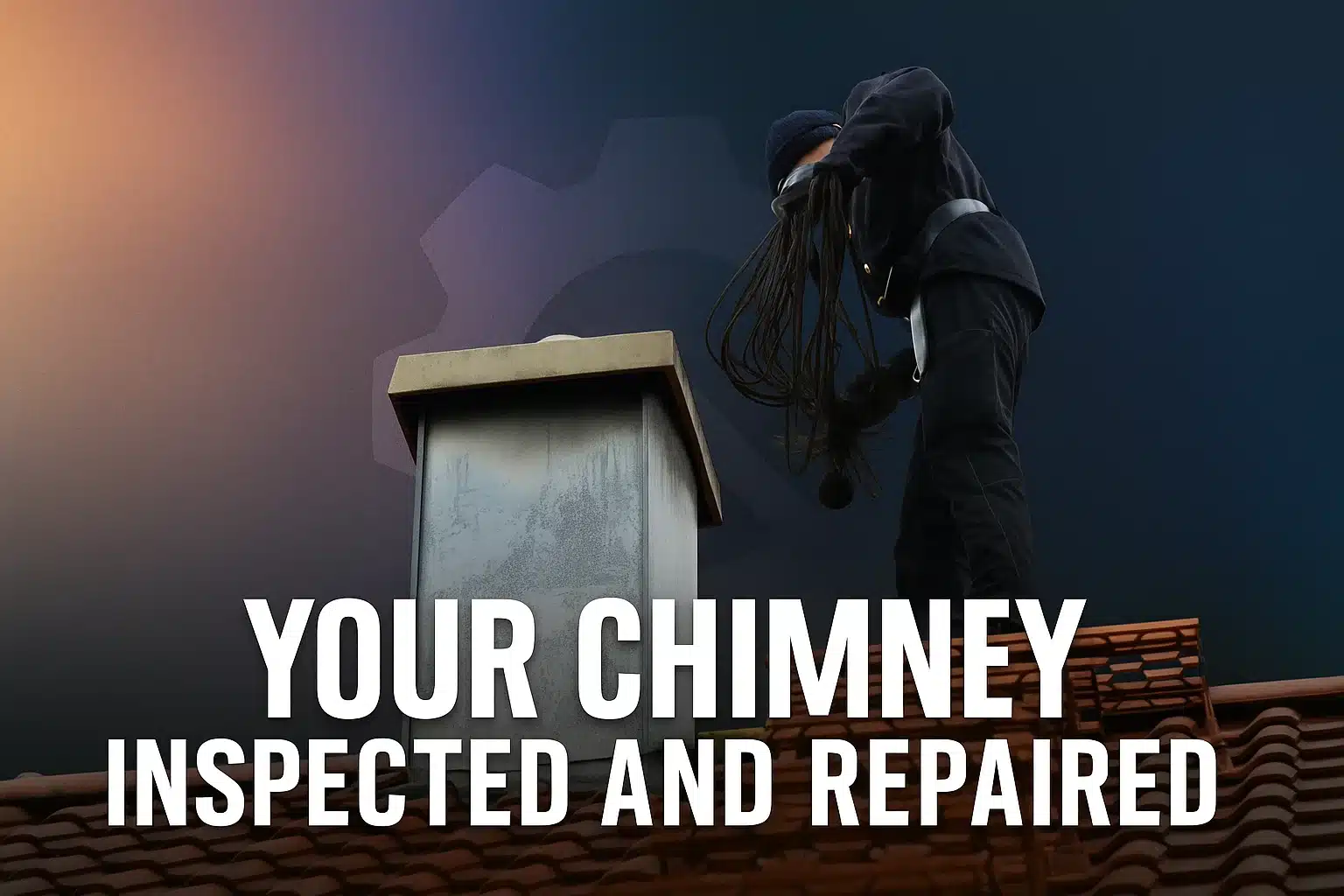
A chimney is one part of the home that many people rarely think about until something goes wrong. It quietly removes smoke, gases, and heat from fireplaces, wood stoves, and even high-efficiency furnaces. However, like any other aspect of the home, chimneys require regular checks and maintenance to remain safe and function properly.
The frequency of chimney inspections and repairs can save your house from fires, smoke damage, and expensive structural repairs many times over. This guide will tell about the inspection timetable and what to look at, typical signs of damage, and easy tips to maintain your chimney in excellent condition all year round.
Why Chimney Inspections Matter
Chimneys appear to be robust on the outside, but they are highly exposed to wear and tear. Over time, damage may be done by rain, snow, heat, creosote build-up, age, and even small animals. Periodic checkups are effective since they can identify issues at a young age, prior to them becoming significant maintenance issues. Frequent inspection of a chimney enables detection of cracks, leaks, and flammable deposits and make them hazardous.
An inspection of the chimney also keeps your family safe. The clean and healthy chimney expels the smoke and toxic gases out of the home in the way it should. In case blockages, fractured components and leaks are formed, these gases might penetrate your dwelling place. That is why the importance of chimney inspection annually cannot be overestimated in case of any house with wood-burning or gas-fired appliances.
What to Know About Chimney Inspection Schedules
Chimneys that are not used do not require the same frequency of inspection. Some are used daily during winter and those that could be just used frequently annually. Nevertheless, it is advisable to take an inspection procedure at least once a year, regardless of the frequency of utilization, as suggested by experts. This assists in providing safety,
A typical yearly inspection checks:
- Firebox condition
- Chimney flue
- Chimney crown
- Damper operation
- Brick or stone condition
- Waterproofing and sealing
- Soot and creosote buildup
- Obstructions such as nests or debris
In case your chimney is located in a rental house, the local regulations might increase the rate of inspection. Inspection of the chimneys of rental property can also be provided as a written term in leasing agreements to ensure that the tenant is secure and will not get into legal difficulties in case of any mishap.
How Often Should You Have Your Chimney Inspected and Repaired?
This is the principal question that is posed by homeowners. The simplest solution is: at least once a year. However, this schedule can be altered in many ways. You can select the right timeline for your home so everything is described in the section below.
Annual Inspections
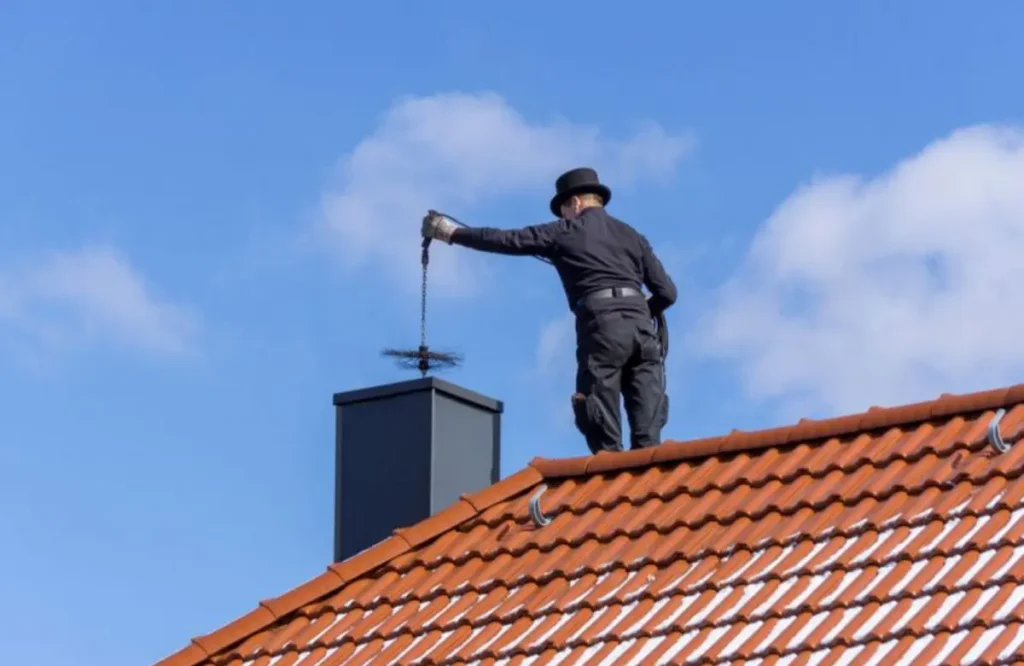
The majority of homeowners are supposed to have their system inspected every 12 months. This is extended through the entire heating season and has everything prepared before the colder months. The annual check-ups are useful to check the soot, cracks, wear, and internal damage. In case you require repairs, you can do them up in time before winter sets in.
After Heavy Use
In case you have a fireplace that is frequently used, you can get more than one inspection annually. Wood is burned every day in ten cords, or often long fires are made, which bring about more creosote. Excessive creosote adds to the possibility of a chimney fire. When this happens, cleaning and inspection of chimneys will have to be more frequent- two times a year.
After a Chimney Fire
Even a small fire within the chimney can result in unseen damage. Even when the exterior of the chimney appears normal, the heat can break the lining or destabilize the structure, even though it may seem normal. Having a fire should always be followed by a professional inspection.
Chimney fire damage inspection criteria usually include:
- Checking the liner for cracks
- Inspecting tile or metal damage
- Looking for warped components
- Examining the chimney crown
- Testing airflow
Never use the fireplace again until the chimney is cleared and approved by a professional.
Before Buying or Selling a Home
The sale of homes should also have chimneys checked. Customers should be aware of whether there is some latent damage. Sellers have a gain in that they spot problems before being stuck in negotiations or lag time.
If You Change Appliances
If the chimney is somehow connected to a furnace, fireplace insert or a stove, a change of a major appliance must be inspected. Gas appliances do not burn as much as wood, yet they also emit fumes that should be properly ventilated. High efficiency furnace installation chimney inspections are particularly valuable due to the fact that newer furnaces conduct heat differently, and it may lead to moisture, condensation or corrosion within the chimney.
After Storm Damage
Chimneys are many things that can suffer damage due to severe winds, lightning, falling branches and hail. Bricks may be loosened, cracked or split open by heavy storms. In case a large storm hits you, book a post-storm inspection to be on the safe side.
What Happens During a Chimney Inspection?
A chimney inspection by a professional will include a number of areas of the chimney. The following is what normally occurs.
Visual Examination
The inspector starts by looking at the chimney from the outside and the inside of the home. They check:
- Masonry condition
- Flashing
- Chimney cap
- Chimney crown
- Exterior cracking
- Smokestains or moisture marks
Internal Flue Inspection
The inspector can do this with either a flashlight or a video camera to inspect the chimney inside. This assists in identifying the presence of creosote, cracks or obstructions.
Checking the Damper
The damper is one of the components of maintenance that is usually neglected. The inspector checks the functionality of opening and closing. Learning to check chimney damper seal assists homeowners in identifying issues even without a complete check-up. A damper that fails to close well causes heat loss and drafts when it is winter.
Testing Airflow
The inspector also monitors the ability of the free movement of smoke through the flue. In the case of poor airflow, cleaning may be required or an obstruction may be present.
Recommending Repairs
If damage is found, the inspector will recommend repairs. These may include:
- Masonry patching
- Flue relining
- Sealant application
- Chimney crown repair vs replacement
- Installing a new chimney cap
- Waterproofing
Some are so easy and cheap to fix and then there are those that demand professionalism. Early detection will ensure that the repair costs are minimal.

Common Chimney Repairs and When They Are Needed
Masonry Repair
Some are so easy and cheap to fix and then there are those that demand professionalism. Early detection will ensure that the repair costs are minimal.
Crown Repairs
The crown is placed on the top of the chimney. In case it breaks, water may find its way in and drip down through the building. In some cases, it is patchable, though serious cracks can be replaced.
Liner Repair or Replacement
The liner defends the chimney against any direct damage by heat and creosote. When it breaks or wears out, there is the risk of fires and gas leakages. A punctured liner must be changed immediately.
Waterproofing
A waterproofing chimney brickwork sealant will be used to prevent the entry of moisture and prolong the life of bricks. Experts are able to use breathable sealants that enable the vapor to pass through but not rain.
Benefits of Regular Chimney Inspections
Better Fire Prevention
Annual examination assists in detecting creosote accumulation which may cause fire. This eliminates the possibility of a hazardous chimney fire.
Protects Home Structure
Chimneys are high features, which are subjected to adverse weather. Frequent inspections do not reveal harmful damage until it is costly to fix.
Cleaner Indoor Air
A well-constructed chimney permits the gases to escape. In case of the blockages, carbon monoxide and fumes can also travel within.
Increased Heating Efficiency
A properly-kept chimney is more efficient in fireplace or furnace work and is better at ventilation.
Better Home Comfort
No drafts, smoke back-ups or odd odors–clean, smooth fireplace operation.
Tips for Keeping Your Chimney in Good Condition
Monitor Use Habits
- Burn dry, seasoned wood
- Avoid burning trash or glossy paper
- Do not overload the firebox
Better burning equals less creosote buildup.
Watch for Warning Signs
Call a professional if you see:
- Smoke spilling into the room
- Strange smells
- Bits of tile in the firebox
- Cracked bricks
- Rust around the damper
Install a Chimney Cap
Chimney caps prevent:
- Rain
- Snow
- Animals
- Debris
This simple addition helps reduce annual cleaning needs.
Keep the Fireplace Clean
Remove ashes often and scrape off soot around the opening. A clean firebox makes spotting new problems easier.
Always Use a Certified Professional
DIY chimney repairs often miss hidden problems. Certified experts know where to look and how to repair safely.
Conclusion
A chimney may look tough from the outside, but it needs regular care to stay safe and efficient. Most homes should schedule a chimney inspection once a year, with additional checks after storms, major repairs, heavy use, or appliance changes. Regular inspections protect your home from fire hazards, improve airflow, reduce long-term costs, and keep your fireplace or furnace working at its best.
To explore more, visit Down to Earth Roofing.
FAQs
How often should a chimney be inspected?
Most chimneys should be inspected once a year to ensure safety and performance.
Do gas fireplaces need chimney inspections too?
Yes. Even gas appliances can produce moisture or corrosion inside the chimney, so yearly checks are important.
What are signs my chimney needs repairs?
Look for cracks, loose bricks, smoke backup, bad smells, or damaged dampers.
Can I clean my chimney myself?
Light cleaning is possible, but full cleaning and inspections should be done by a professional.
What happens if creosote builds up too much?
Creosote buildup increases the chance of a chimney fire and reduces airflow efficiency.